
In the ever-churning digital cosmos of 2026, where trends flicker and fade with the speed of thought, the act of looking back becomes a sacred ritual. It’s a moment to sift through the week’s vibrant chaos—a mosaic of hot takes, culinary experiments, and passionate rediscoveries—to find the gems that sparkle with genuine heart and humor. This is not merely a recap; it’s a poetic excavation of the soul of play, where editors become storytellers, and every game, from a spiky frog to a forgotten hero's tale, is a verse in a larger, ongoing epic.
The Kanto Conundrum: To Smash or Not to Smash? 🤔
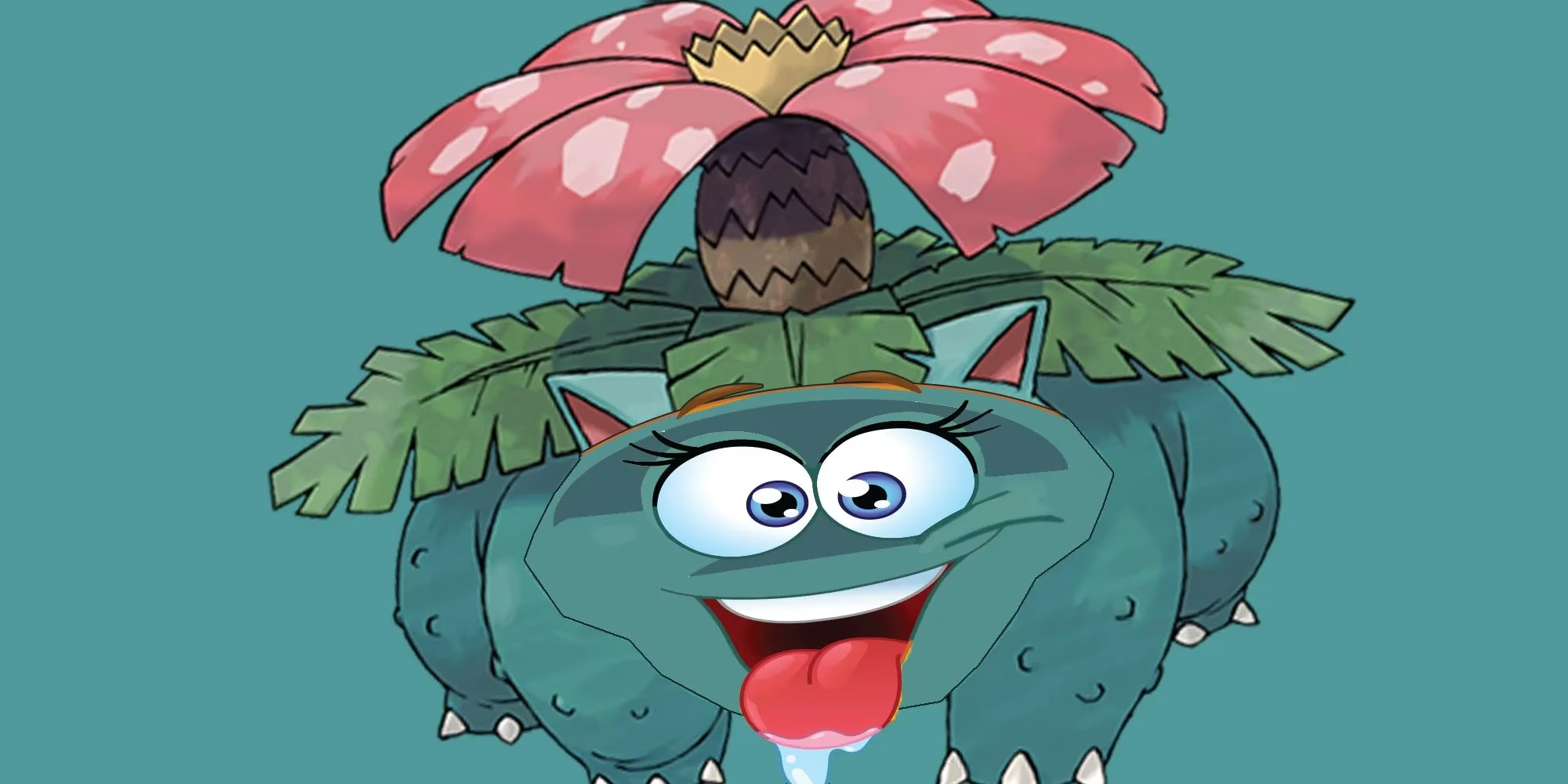
Sometimes, a gaming discussion takes a turn for the wonderfully bizarre. This week, the editorial halls echoed with a debate of profound, if peculiar, consequence: the Pokémon Smash or Pass: Kanto Edition. It’s a classic case of "beauty is in the eye of the beholder", taken to its absolute logical extreme. While one might expect universal adoration for the iconic starters, the reality was far more... interesting. Witness the valiant, if questionable, defense of the majestic, if botanically imposing, Venusaur. "I don’t even want to know," the piece muses, capturing the collective shrug at such bold taste. Meanwhile, another editor found charm in the perpetually melancholic, drooling Gloom. It’s a reminder that in the world of Pokémon, as in life, attraction is a mysterious and deeply personal journey. The whole affair was, in a word, cursed—but gloriously, hilariously so.
A Feast Fit for a God (of War) 🍖🍷
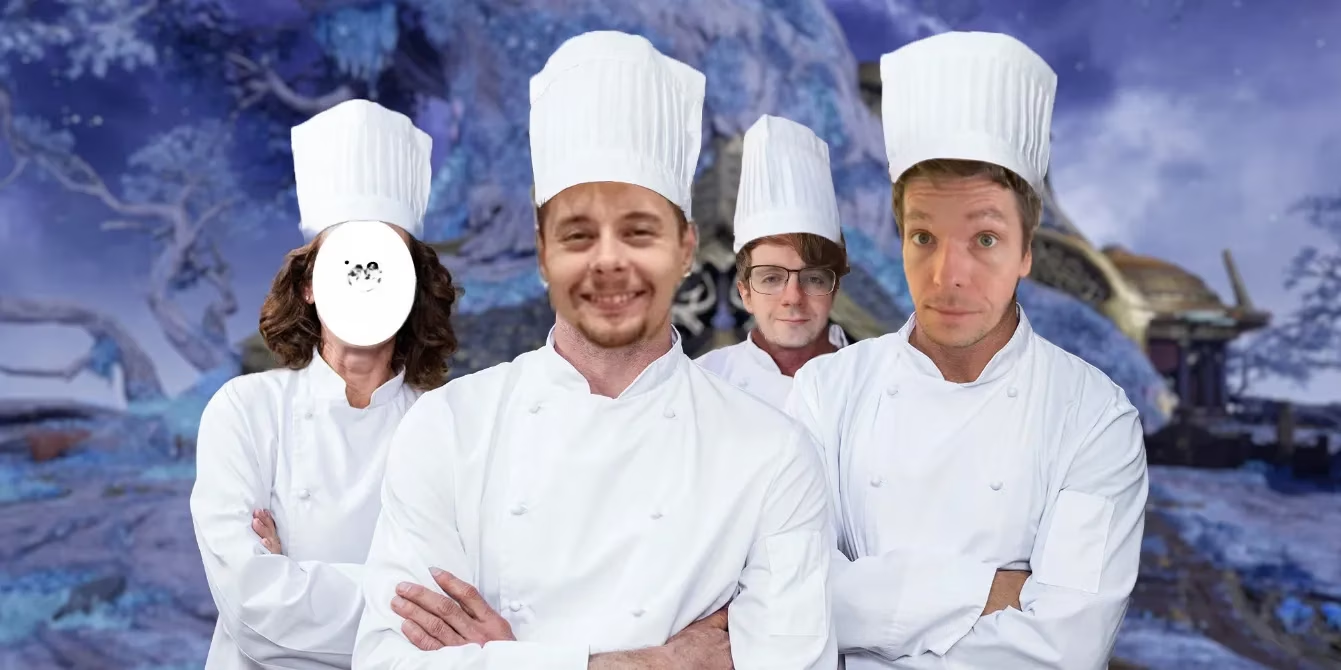
Not all collaborations court chaos; some seek to create. In a delightful pivot from digital battles to culinary ones, a brave team ventured into the realm of The God of War Cookbook. This was no simple meal prep; it was a quest for gastronomic glory, a test of mettle measured in teaspoons and timers. The results? Surprisingly divine. The team baked, cooked, and mixed with a skill that would make even Kratos nod in grim approval. Well, almost everyone. There's always one who marches to the beat of their own drum, or in this case, their own recipe. One editor, in a stroke of unhinged genius, decided to improvise the sacred Ambrosia, served in a nostalgic birthday mug. The substitution of raspberries for pomegranate seeds led to a creation deemed "sickly sweet." The lesson, as old as time itself for any chef or Spartan: stick to the recipe, maybe.
Rekindling a Fable: A Star Reborn ✨
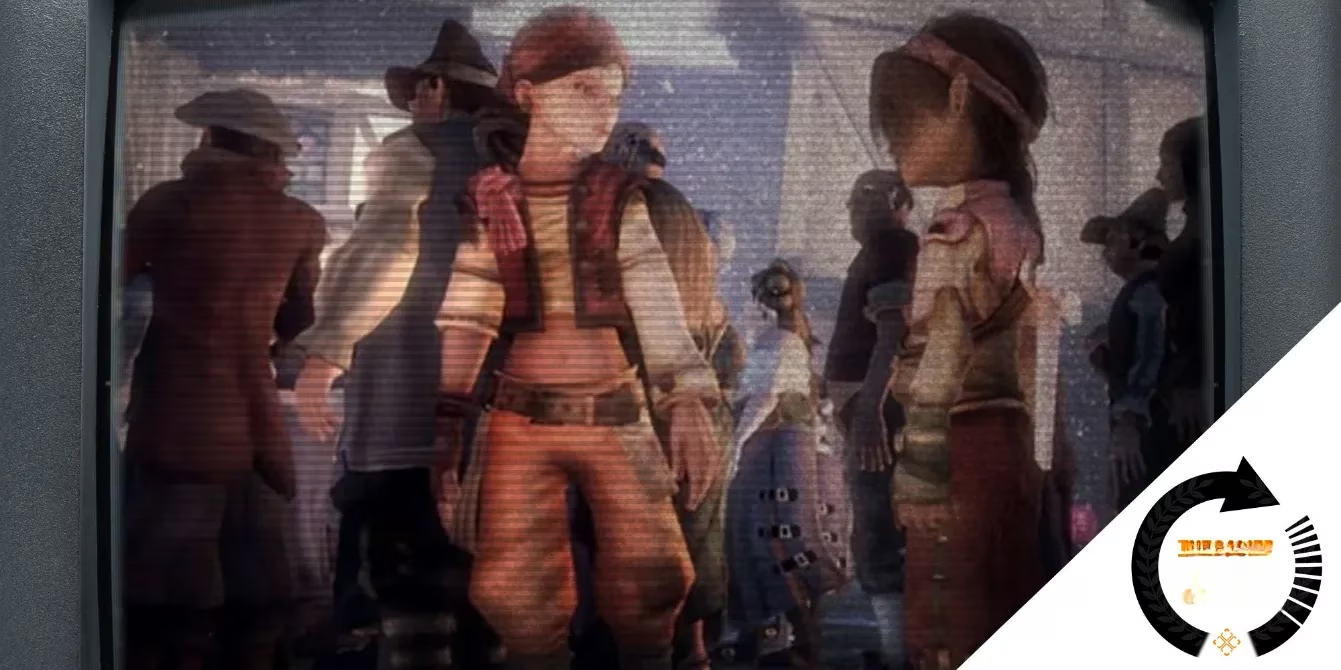
Amidst the noise of new releases, a new column seeks the quiet magic of retrospection: Five Star Re-Review. Its mission is noble—to return to pre-2017 classics and anoint them with the five-star praise they may have missed. The inaugural choice was nothing short of poetic: Fable 2. In 2026, this 2008 masterpiece feels like a beautifully preserved letter from another time, a bizarre and beautiful look at what could have been. It’s a game that perfected the series' charming blend of morality and mischief, allowing you to walk the path of an angelic hero or, as one editor fondly (and concerningly) recalled, sprout horns by performing dastardly deeds like sacrificing a virtual step-parent. It’s a poignant reminder of RPGs that wore their heart, and their consequences, on their sleeve—a gem undeservedly overlooked in the grand narrative of the genre.
A Call to Arms (and Swords): For the Love of Zelda ⚔️
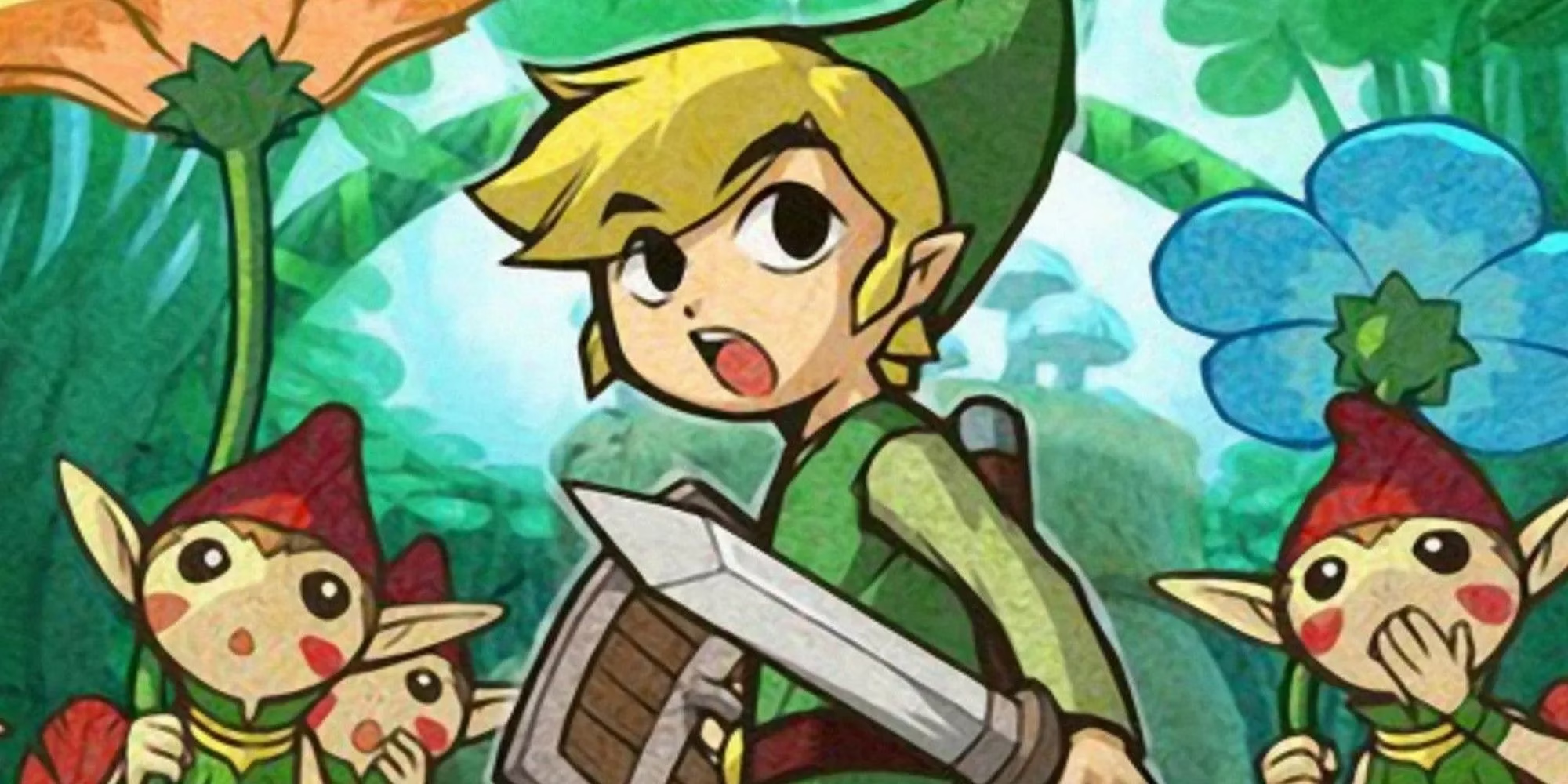
Nostalgia also fuels a passionate plea for the future. As The Legend of Zelda continues to redefine open-world exploration in breathtaking ways, a voice rises, asking for a parallel path—a return to the classic, tightly-wound adventures of yore. The solution? A heartfelt call for another Capcom-developed Zelda game. Titles like The Minish Cap were masterclasses in innovation within tradition, packing boundless charm into a classic framework. The argument is compelling: let the main series soar to new horizons, but let a trusted partner like Capcom craft concurrent experiences that honor the series' rich, dungeon-crawling roots. In an era of "go anywhere, do anything," there’s still profound magic in a focused, beautifully crafted adventure. It’s about leaving something for everyone on the table.
The Forspoken Phenomenon: Making Mountains Out of Molehill Dialogue 🗣️💥
And then, there’s the week’s big elephant in the room: Forspoken. In the hyper-connected landscape of 2026, a game’s reception can sometimes eclipse the game itself. The online discourse became a broken record of complaints about its quippy, Whedon-esque dialogue—criticisms that, while valid for some, were amplified into a deafening roar. The central thesis of the week’s reflection was a plea for perspective: your opinions on a video game should not be your entire personality. It’s perfectly fine to critique, even to dunk on a clumsy line of dialogue. But constructing an entire identity around hating a single piece of media? That’s a level of commitment better saved for, well, actually playing games. It’s a reminder to engage with art, not just the outrage around it.
The Weekly Tapestry: A Final Thought 🧵
So, what does a week in gaming look like when viewed through a poetic lens? It’s a rich tapestry. It’s the unabashed whimsy of debating monster romance. It’s the shared triumph of a meal cooked from a fictional world. It’s the quiet reverence for a forgotten classic and the passionate advocacy for a beloved style. And yes, it’s also navigating the tempestuous seas of online discourse. Together, these threads weave a picture of a community that is, at its core, deeply in love with the medium—in all its glorious, messy, contradictory, and heartwarming complexity. To be a gamer in 2026 is to hold all these truths at once, to find the magic not just in the games, but in the wonderfully human conversations they inspire.
Loading comments...