
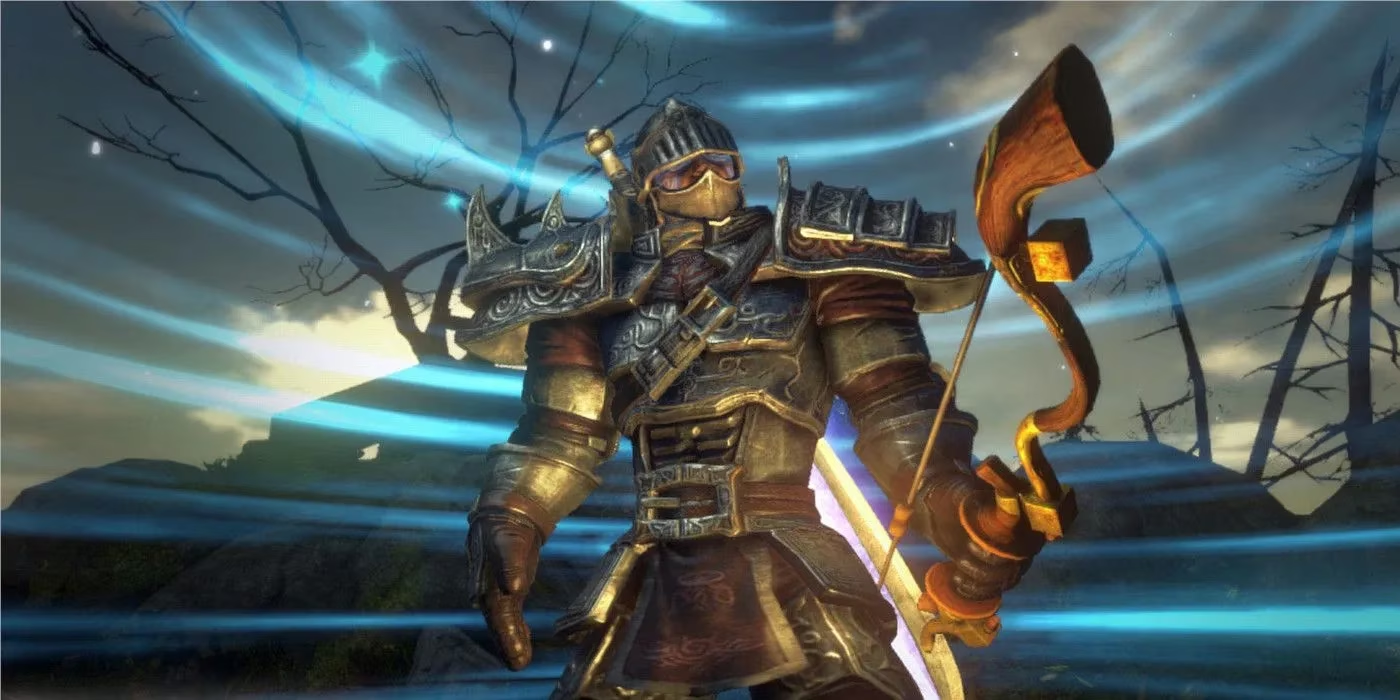
The world of Albion has been silent for over a decade, but whispers of its return are growing louder. In 2026, the mere mention of a new Fable still sends a jolt of electricity through the gaming community. Playground Games, the studio that gave us the sun‑drenched festivals of Forza Horizon, is now tasked with resurrecting one of Xbox’s most beloved fantasy series. Little has been officially confirmed — so little that the name “Fable 4” is purely a fan invention — yet the dream of returning to a land where chickens can be kicked and destinies forged by choice has never felt more potent. And at the heart of that dream lies the series’ most iconic feature: the morality system.
That system has always been more than a simple good‑or‑evil meter. It was a companion that walked beside your hero, a silent judge that scribbled notes in the margins of every deed. For two decades, it has been the gossipy seamstress of the game, stitching halos onto the heads of the righteous and twisting horns onto the brows of the wicked. But time hasn’t stood still, and neither have RPGs. If Fable 4 hopes to enchant a new generation, its moral compass will need to be polished until it gleams.
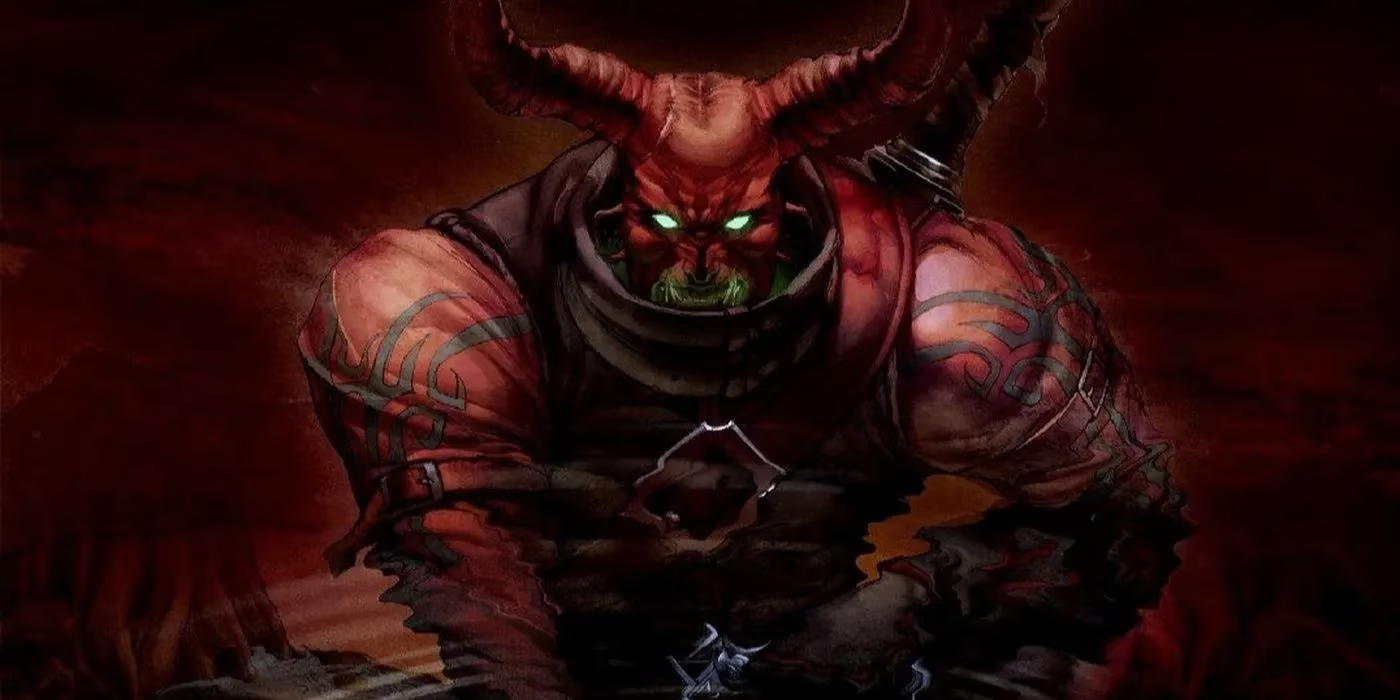
Let’s be honest — that old black‑and‑white approach was charming, but it felt a bit like being asked to choose between a fluffy kitten and a moustache‑twirling villain. In past titles, good heroes could bask in angelic glows and receive tearful thanks from villagers, while evil ones grew leathery skin and sent townsfolk screaming. The first Fable even locked certain spells behind morality: only the wicked could leech life, and only the pure could heal themselves. Fable 3 tried to soften the visual extremes with a morphing system that reserved dramatic changes for charged attacks, but the core dilemma remained stubbornly binary.
What if, this time around, the system learned to speak in shades of grey? Modern masterpieces like The Witcher 3 and Mass Effect have shown how deliciously painful it can be to make a choice where no outcome feels clean. Imagine a quest where protecting a farm from bandits might inadvertently fuel a landlord’s greed, or helping raiders could feed a starving village. The morality system could evolve from a simple scale into a web of consequences, where every thread tugs on a different corner of Albion. That kind of ambiguity would make the hero’s journey feel less like a child’s bedtime story and more like a lived legend.
Another frontier waiting to be explored is reputation. Why should all of Albion love or fear you uniformly? The hero could earn distinct standing with factions — beloved by the merchants of Bowerstone but loathed by the warrior clans of the Northern Wastes. A town that adores you might throw rose petals at your feet and offer deep discounts, while a settlement that reviles you could bar its gates or hire assassins. The old system made you a walking billboard of your alignment; a new one could turn you into a tapestry of regional tales, each thread woven by the people you’ve helped or hurt. That would feel so much more alive, wouldn’t it? Almost like the world was actually paying attention.
Physical transformation, that glorious badge of your deeds, deserves a comeback — but with finesse. The halo and horns were iconic, but in 2026 they feel like wearing a neon sign that says “I’m the hero, obviously.” Playground Games could take a page from the morphing experiments of Fable 3 and go further. Let a good hero’s eyes carry a gentle warmth that calms wild animals, while an evil hero’s shadow might writhe with unsettling independence. What if your weapon of choice began to reflect your soul? A cleaver that weeps blood only in the hands of a scoundrel, or a longbow that hums with healing energy when drawn by a saint. Such touches wouldn’t just change how you look — they’d change how you play.
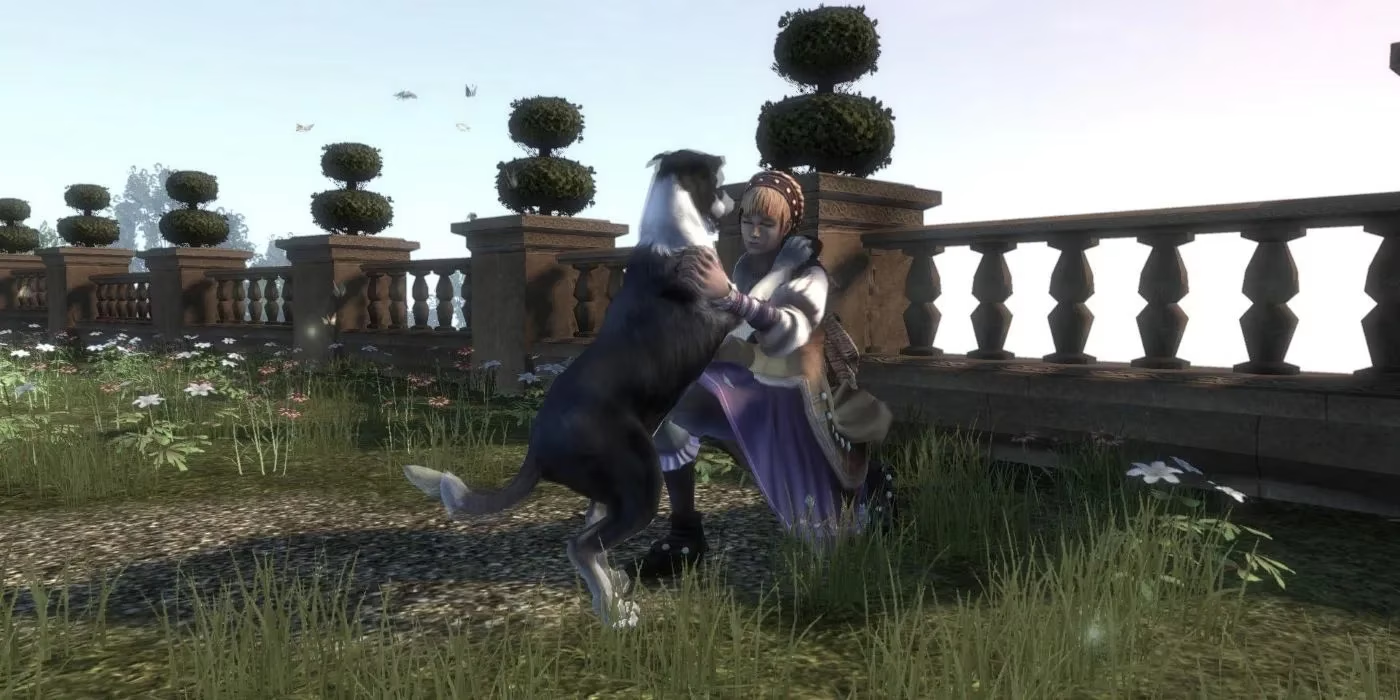
And here’s where things get really interesting: tying gameplay mechanics to morality beyond just a handful of spells. Picture melee, ranged, and even social abilities that branch like a tree, with certain skills locked behind moral thresholds. An evil hero might master a terrifying war cry that shatters enemy morale, while a good one learns to rally allies with inspiring words. Property ownership, a staple of the series, could also ripple with moral undertones. A benevolent landlord might see their tenants plant gardens and hold festivals, raising property values naturally, while a cruel one could squeeze out higher rents but attract bandit raids. The hero wouldn’t just be a warrior or a mage — they’d be a force that shapes the very economy.
Ten years of waiting have given the community plenty of time to dream, and Playground Games has a reputation for pouring obsessive detail into their worlds. The ForzaTech engine, repurposed for fantasy, already promises sweeping vistas and a level of visual fidelity that could make those moral transformations more visceral than ever. At its best, a morality system in a modern Fable shouldn’t just track good and evil; it should remember, react, and surprise. It should feel like an old friend who knows you too well, smirking at your half‑hearted justifications. That’s the magic fans are hungry for — a reflection not just of a hero’s deeds, but of the person holding the controller.
As the gaming world holds its breath for an official reveal, the hope is that when Albion finally opens its gates again, the morality system will be more than a cosmetic overlay. It will be a partner in storytelling, a mirror with a memory, and maybe — just maybe — a gentle tease that knows exactly when you’re about to kick another chicken.
Loading comments...