
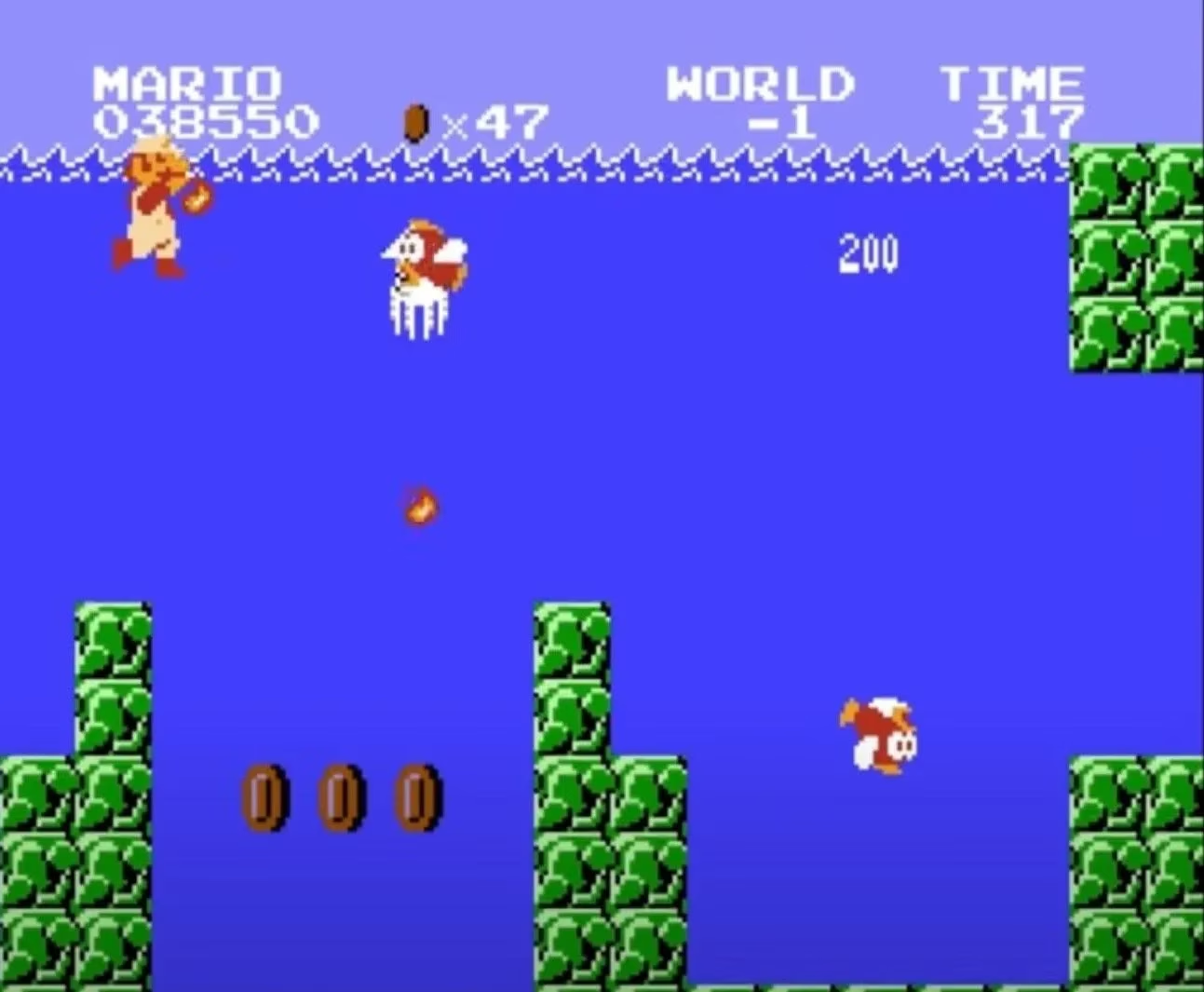
I still remember the first time I saw that impossible screen: a water level stretched above ground, the timer ticking, and the world counter reading “World -1.” It felt like a myth whispered in playgrounds and printed in old magazines. Yet in 2026, the Minus World in Super Mario Bros. remains one of gaming's most famous glitches—and yes, it is absolutely real.
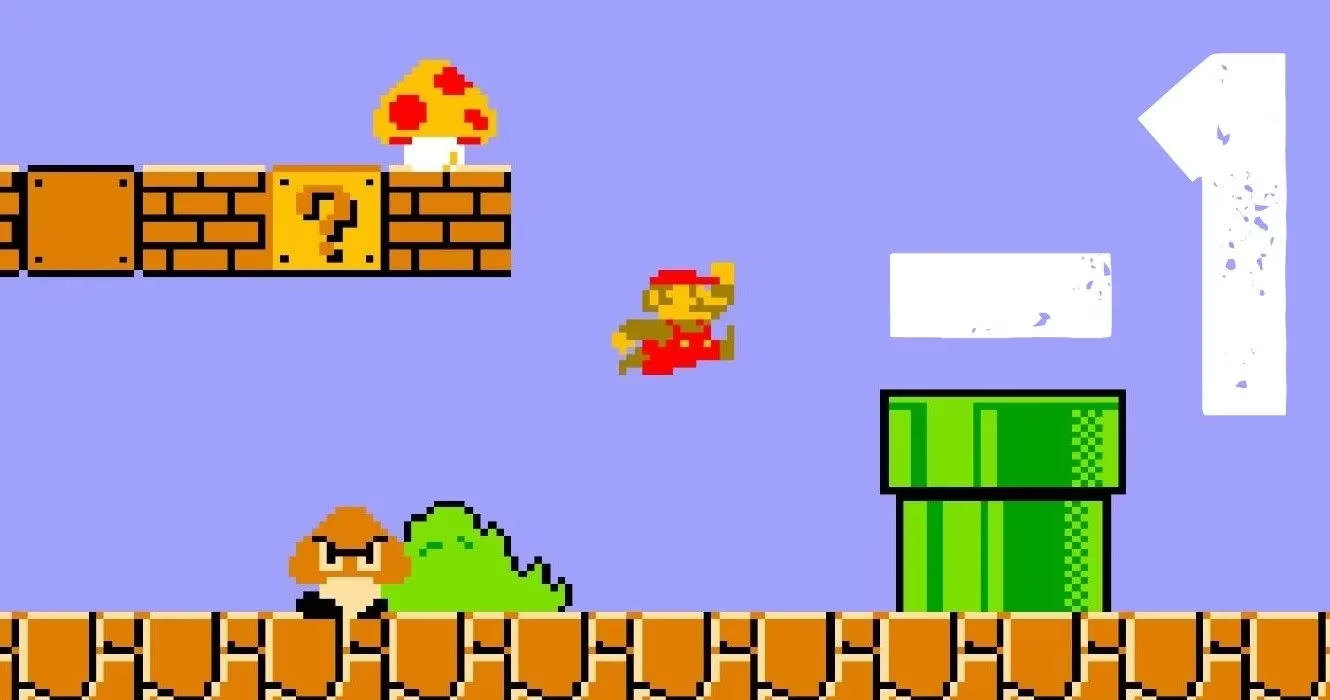
For years I assumed the Minus World was just a creepy story. How could a game as polished as Super Mario Bros. hide an entire unreachable-sounding stage? The answer, it turns out, has less to do with hidden design and more with how the game loads warp zone data.
What Is the Minus World?
The fabled Minus World first became widely known through the third issue of Nintendo Power magazine in 1988. It is described as an endless, above-ground water level with no escape, and the world counter reads “World -1.” Once you enter it, you are essentially stuck in a strange, looping purgatory.
What makes it so strange is that it should not exist. There is no World -1 in the normal level order. So why does the game send you there?
Why Does the Minus World Exist?
Every warp zone in Super Mario Bros. has three values attached to it. These three values are displayed as three textures above the warp pipes. In the World 1-2 warp zone, for example, the three values are 2, 3, and 4. When the game warps Mario, it reads the texture ID of the number above the pipe you entered and sends you to the world with that same ID.
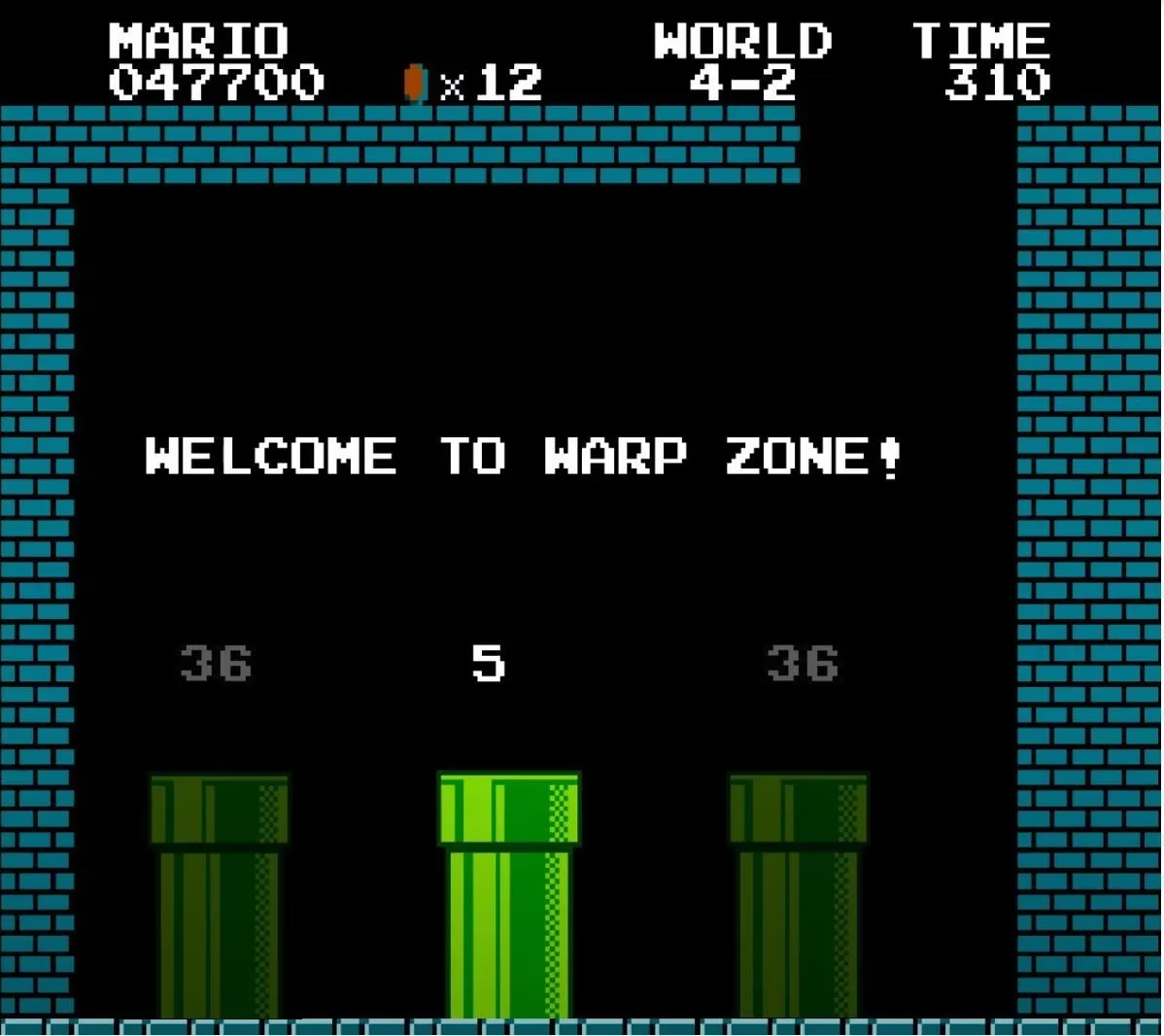
One of the two warp zones in World 4-2 features just a single warp pipe to World 5, but the zone itself still has three values in its code: 36, 5, and 36. The number 36 is the ID of an invisible texture. That is why you only see the central “5” and no visible numbers on the left or right. If pipes had been added beneath those two invisible textures, they would try to send you to World 36—but no pipes were added there.
Here is a quick comparison:
| Warp Zone | Stored Values | What You Normally See |
|---|---|---|
| World 1-2 | 2, 3, 4 | 2, 3, 4 |
| World 4-2 | 36, 5, 36 | 5 only |
The warp zone data in World 1-2 is actually the default warp zone data. Until any other warp zone is fully loaded, the three values remain 36, 5, and 36. Therefore, if Mario enters the far-left or far-right pipe in another warp zone before that data is overwritten, the game attempts to send him to World 36-1. Since the world display uses textures rather than written text, the invisible “36” makes the counter read as “World -1.”
That is the design flaw behind the whole mystery. Has a simple case of leftover data ever felt so much like a forbidden secret?
How I Reach the Minus World Step by Step
To reach the Minus World, I have to enter the left pipe of the World 1-2 warp zone without loading the warp zone's correct data. The data is updated once Mario passes the point shown below.
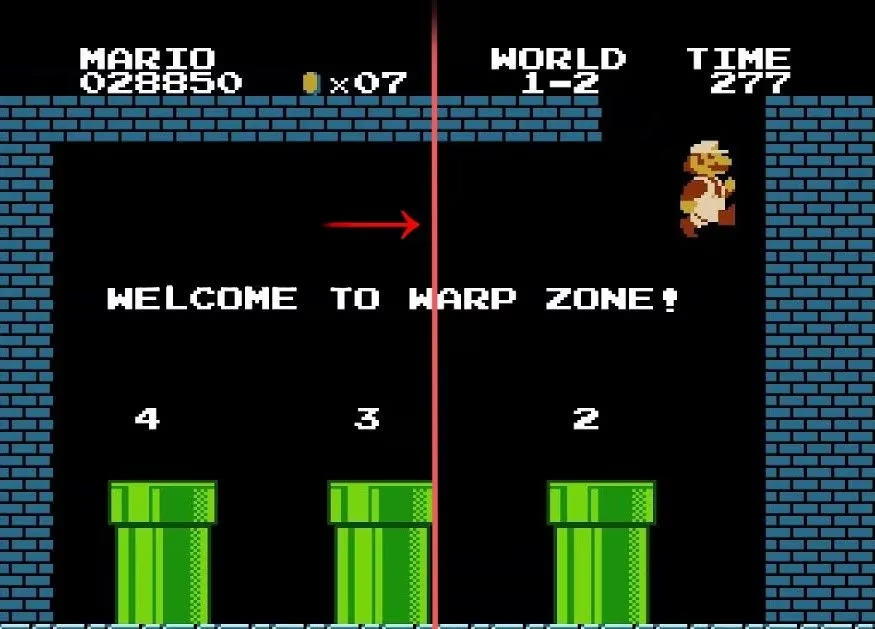
This means the only way to reach the left pipe without updating the warp zone data is to enter the warp zone through the right wall. It sounds impossible, but it is a very repeatable trick.
Here are the steps I use:
-
🍄 Become Big Mario. Grab the mushroom from the first question mark block of World 1-1. Try not to get hit before reaching the Warp Zone in 1-2, or you will shrink back down.
-
🍄 Grab a backup mushroom if needed. The first question mark block in World 1-2 also gives you a mushroom, just in case something goes wrong in 1-1.
-
🧱 Set up the clip. When you reach the horizontal pipe in 1-2, destroy the second and third blocks to the left of the pipe. Then crouch on the edge of the pipe.
-
📏 Align Mario perfectly. You want Mario's foot to be perfectly in line with the dark green column of pixels on the far left of the pipe.
-
🌀 Perform the wall clip. While holding down to crouch, jump and then hold right. Mario should end up underneath the right ceiling block just as he starts coming down. It may take a few attempts, but once successful, Mario glitches into the wall.
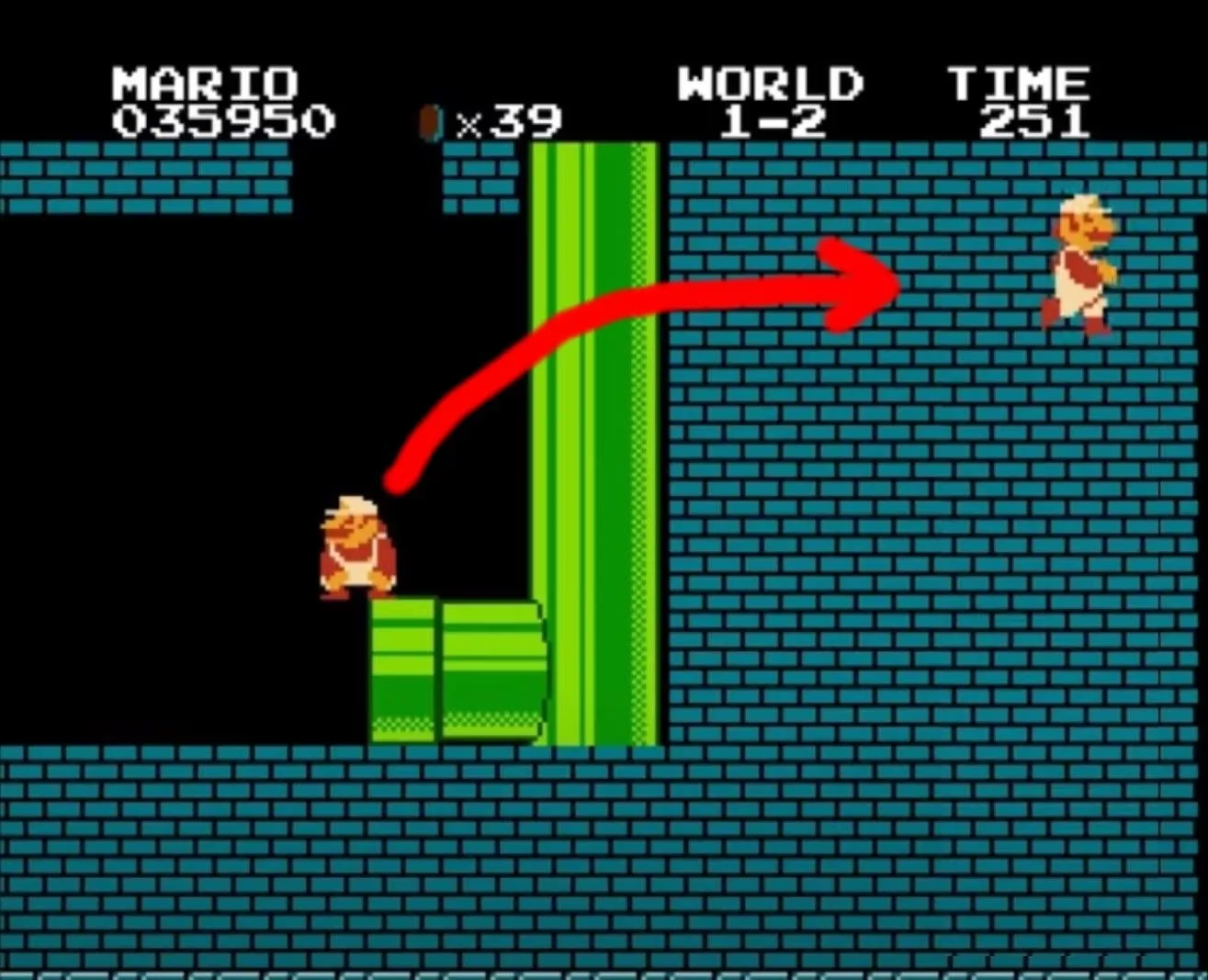
After that, I simply run right and enter the closest pipe once it is safe to do so. Because I have not gone far enough to the right to load the new warp zone data, the game transports me straight into the Minus World.
What Happens Once I Am Inside?
On the original NES, the Minus World is an infinitely looping area that Mario can never escape. It is almost cruel when you think about it. The level looks like a strange above-ground water stage, but there is no flagpole and no way out. The only options are to reset the console or let the timer run down.
On the Famicom Disk System, however, the outcome is completely different. The Minus World can actually be completed. Upon reaching the flagpole, players are taken to World -2, then to World -3, where they can rescue Princess Peach and beat the game. Here is the difference:
| Platform | Minus World Outcome |
|---|---|
| NES | Endless looping water area, no escape |
| Famicom Disk System | Can be completed; World -2 leads to World -3 and Peach |
Final Thoughts
Even after all these years, I love that the Minus World still sparks curiosity. It is not a secret level made by Nintendo, but a strange result of how the game reads data. In 2026, it remains a rite of passage for retro gamers and a perfect example of how small programming oversights can become legendary.
So, have you ever clipped through that wall yourself? If not, grab a mushroom, line up that pixel-perfect crouch, and see if you can survive the endless waters of World -1. It is one of those rare gaming moments where breaking the rules feels like discovering a hidden universe.
Background context is drawn from Wikipedia’s overview of video games, which helps frame why legendary glitches like Super Mario Bros.’ Minus World persist as cultural touchstones: beyond being a technical edge case in warp-zone data, the phenomenon reflects how players document, share, and mythologize unexpected behaviors until they become part of gaming history.
Loading comments...