
The digital landscape of 2026 is more immersive than ever, and at the heart of this evolution lies the RPG genre's masterful use of reactive world events. These aren't just scripted sequences; they're the very soul of a game, the digital echoes of a player's will. Stepping into these worlds, you're not just playing a game—you're writing your own legend, and the world writes back. It's the ultimate power fantasy, where every choice, from a whispered secret to a roaring rebellion, sends shockwaves through the narrative fabric. The magic isn't just in the grand, earth-shattering decisions, but in the subtle, often unexpected consequences that make you stop and think, 'Whoa, that was all because of me?'
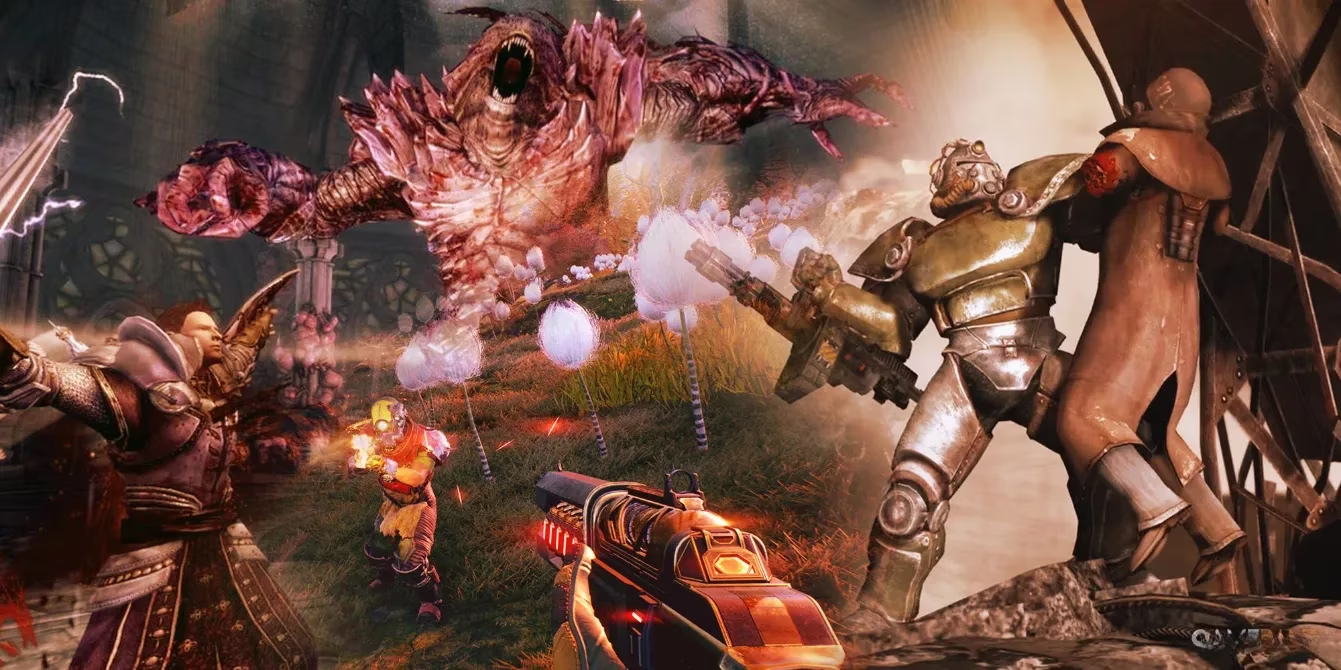
🕵️♂️ Alpha Protocol: The Espionage Masterclass
Let's kick things off with a cult classic that was, frankly, way ahead of its time. Alpha Protocol may have had a rocky launch back in the day, but its legacy in 2026 is that of a reactive-world pioneer. Obsidian Entertainment crafted a spy thriller where your vibe literally dictates your arsenal. Go in quiet, and you'll unlock sleek, silent gear. Choose the 'guns blazing' approach, and the game rewards you with heavy artillery. It's not just about what you do, but how you do it.
-
Dialogue is a Weapon: Your conversations are a minefield of consequence. A sarcastic remark to a handler can close doors permanently, while a show of loyalty might unlock a secret mission. NPCs don't just remember; they hold grudges or form alliances that reshape the entire geopolitical landscape of the game.
-
The Butterfly Effect, Spy-Style: Deciding to save or eliminate a political figure isn't a binary good/evil choice. It's a calculus of power. You might take out a corrupt CEO, only to see a rival, even more ruthless corporation fill the vacuum. The game's ending isn't a single slide; it's a detailed dossier on the world you created, for better or worse.
🚀 The Outer Worlds: Corporate Dystopia, Your Way
Fast-forward to the corporate-run halcyon of The Outer Worlds. This sci-fi gem from Obsidian remains a benchmark for showing how player agency can directly manipulate a society's structure. The reactive events here are less about personal relationships and more about systemic impact.
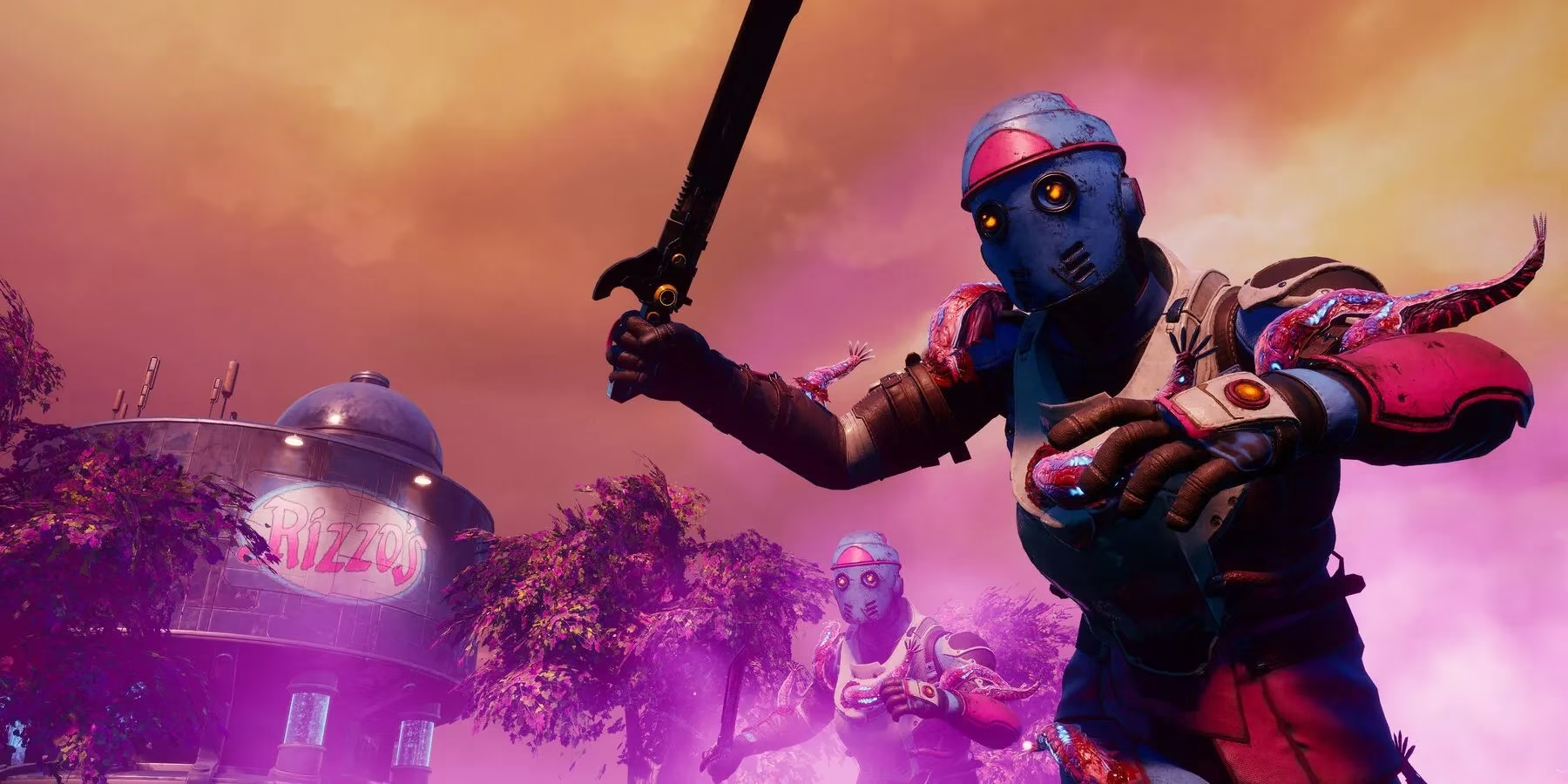
Your Reputation Precedes You: This isn't just a number on a screen. It's a living, breathing reaction.
| Reputation Level | World Reaction |
|---|---|
| Loved | Shopkeepers give you 'family discounts,' guards salute you, factions send recruitment offers. |
| Feared | People scatter when you enter town, but enemies might think twice before attacking. |
| Hated | Shops refuse service, bounty hunters stalk you, settlements post 'Wanted' signs with your face. |
Choosing a side in the corporate war between the Board and the Iconoclasts doesn't just change the ending—it changes the environment. Align with the militaristic Board, and you'll see more security checkpoints and propaganda. Side with the rebels, and watch formerly pristine corporate zones become bustling, chaotic markets. The fate of entire towns, like Edgewater, hangs on a single decision you make about its power source, proving that in this world, you're not just a passenger; you're the mechanic.
⚡ Fallout: New Vegas: Morality in the Mojave
In the sun-bleached wastes of the Mojave, Fallout: New Vegas taught us that there are no clean hands, only choices and their messy, often bloody, aftermaths. The reactive world here is a masterclass in moral ambiguity and environmental storytelling.
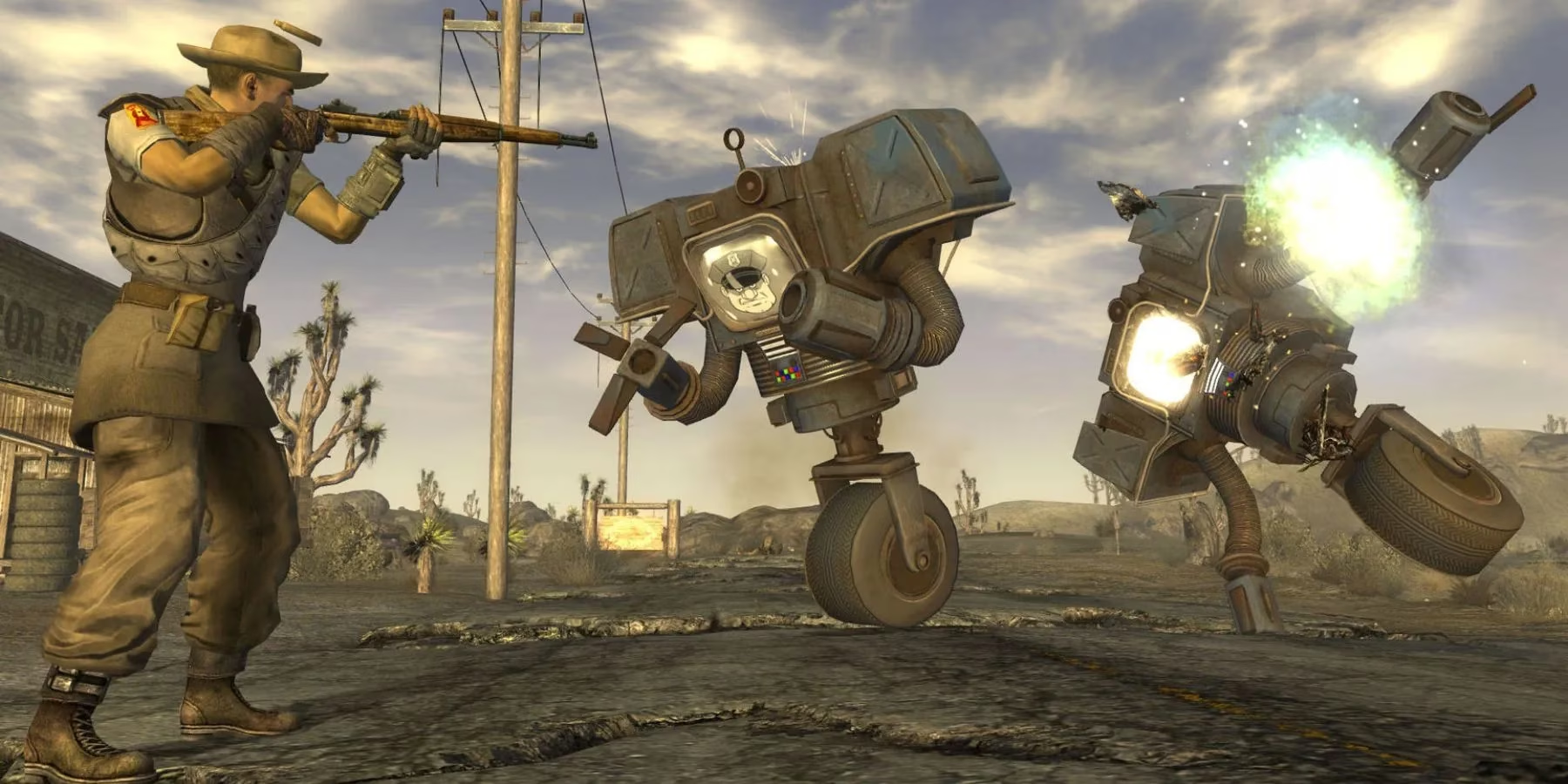
You might complete a quest thinking you're the hero, only to return later and find the NPC you helped has been murdered in retribution. The game world has a long memory and a brutal sense of cause and effect. Your decisions with the major factions—the NCR, Caesar's Legion, Mr. House, or Yes Man—fundamentally reshape the political map. Help the NCR secure a dam, and their flags fly over new territories. Betray them for the Legion, and watch those same territories fall under a draconian rule. It's a world that feels authentically lived-in and reactive because your actions have weight. Clearing out a nest of Fiends doesn't just net you XP; it makes the roads safer for travelers, who might later thank you or offer new quests. It's the little things that add up to a world that feels truly alive.
🐉 Dragon Age: Origins: Your Story, From the Ground Up
Dragon Age: Origins built reactivity into its very DNA with the genius 'origin story' system. Before you even face the Blight, the world already knows you—and treats you accordingly. Are you a City Elf? Expect distrust and slurs from humans. A Dwarf Noble? Your family name commands respect in Orzammar. This foundational reactivity sets the stage for a journey where every major decision feels monumental.
The Landsmeet is a perfect example. Your alliances, persuasions, and betrayals during this political summit don't just determine who sits on the throne; they decide which armies march with you against the Archdemon. Choosing to sacrifice the ancient elves of the Dalish or werewolves of the Brecilian Forest isn't a simple quest checkbox; it's an act of genocide or salvation that the surviving faction will remember until the final credits. The world evolves with you, and the epilogue slides are a direct, detailed report card on the consequences of your leadership.
👑 Fable II: The Landlord Hero
Fable II took reactivity and made it personal, economic, and wonderfully British. This was a game that understood a hero's impact could be measured in gold coins as well as slain monsters. The property system was a revelation: you could become a real estate mogul, and the game's economy would literally react to your portfolio.
 .jpg)
.jpg)
-
The Temple Choice: The decision to fund the Temple of Light or Shadows in Oakfield is the stuff of legend. Choose Light, and the town becomes a prosperous, sunny paradise. Choose Shadows, and it transforms into a gothic, haunted village. The change is visual, atmospheric, and permanent—a constant reminder of your divine (or demonic) investment.
-
Economic Warfare: Buy every shop in Bowerstone, jack up the prices, and watch the citizens grumble and dress in rags. Lower rents in your properties, and the town thrives. You're not just a savior of the realm; you're its central banker and slumlord, and the world's happiness (or misery) is a direct reflection of your business acumen. It's reactive world-building that's both impactful and darkly humorous.
💀 Planescape: Torment: Philosophy with Consequences
For a game about an immortal amnesiac, Planescape: Torment has the most memorable reactive world in RPG history. Set in the surreal city of Sigil, reactivity here is less about politics and more about philosophy, identity, and the very nature of reality. The game's legendary dialogue trees aren't for gathering information; they're for defining who The Nameless One is, and the multiverse adjusts its opinion accordingly.
Your alignment—how you answer profound moral questions—opens or closes entire paths. A lawful character might gain the trust of the militant Mercykillers faction, gaining access to their fortress. An evil, chaotic player might instead ally with the anarchist Anarchists, turning the same location into a hostile zone. Restoring power to different sections of Sigil can cause entire new, bizarre districts to physically manifest. It's a game where learning a new philosophical concept can literally be a gameplay upgrade, and the world's reaction to you is a mirror of your own evolving soul.
⚔️ The Witcher 3: Wild Hunt: No Good Choices, Only Consequences
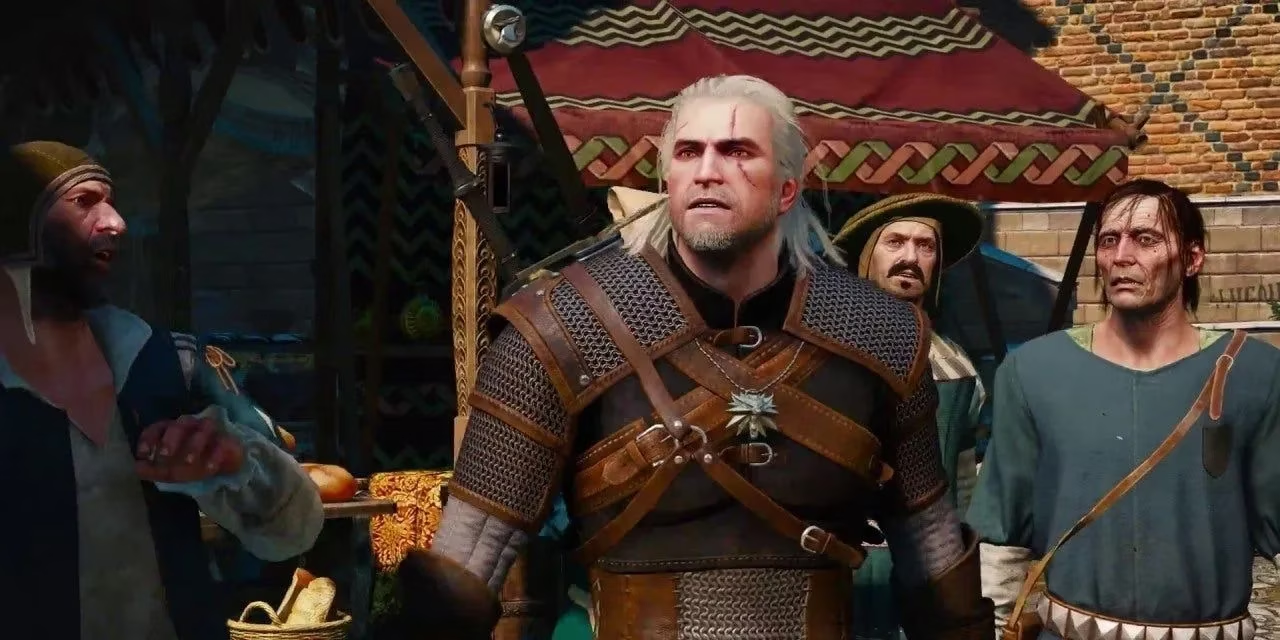
The world of The Witcher 3 doesn't care if you're trying to be a hero. It's a harsh, unforgiving place that reacts to Geralt's actions with brutal pragmatism. This is the pinnacle of modern reactive storytelling, where decisions made in Act I can violently resurface in Act III.
Case Studies in Chaos:
-
The Fate of Whoreson Junior: Sparing this vile gangster might seem merciful, but it leaves a cancer in Novigrad's underworld to fester. Kill him, and you create a power vacuum that leads to even more chaotic gang warfare. There's no 'right' answer, only different flavors of wrong, and the city's alleyways tell the story of your choice.
-
The King of Skellige: The 'King's Gambit' questline is political reactivity at its finest. Your maneuvering decides whether the wise Cerys, the bold Hjalmar, or the puppet-king Svanrige rules the islands. This choice echoes through the rest of the game, affecting military support, dialogue, and the very culture of Skellige. Even monster-hunting contracts have ripple effects. Spare a sentient monster, and you might later find it has helped a village. Kill it indiscriminately, and you fuel the prejudice that witchers are butchers, not problem-solvers.
🌌 Mass Effect 3: The Galactic Reckoning
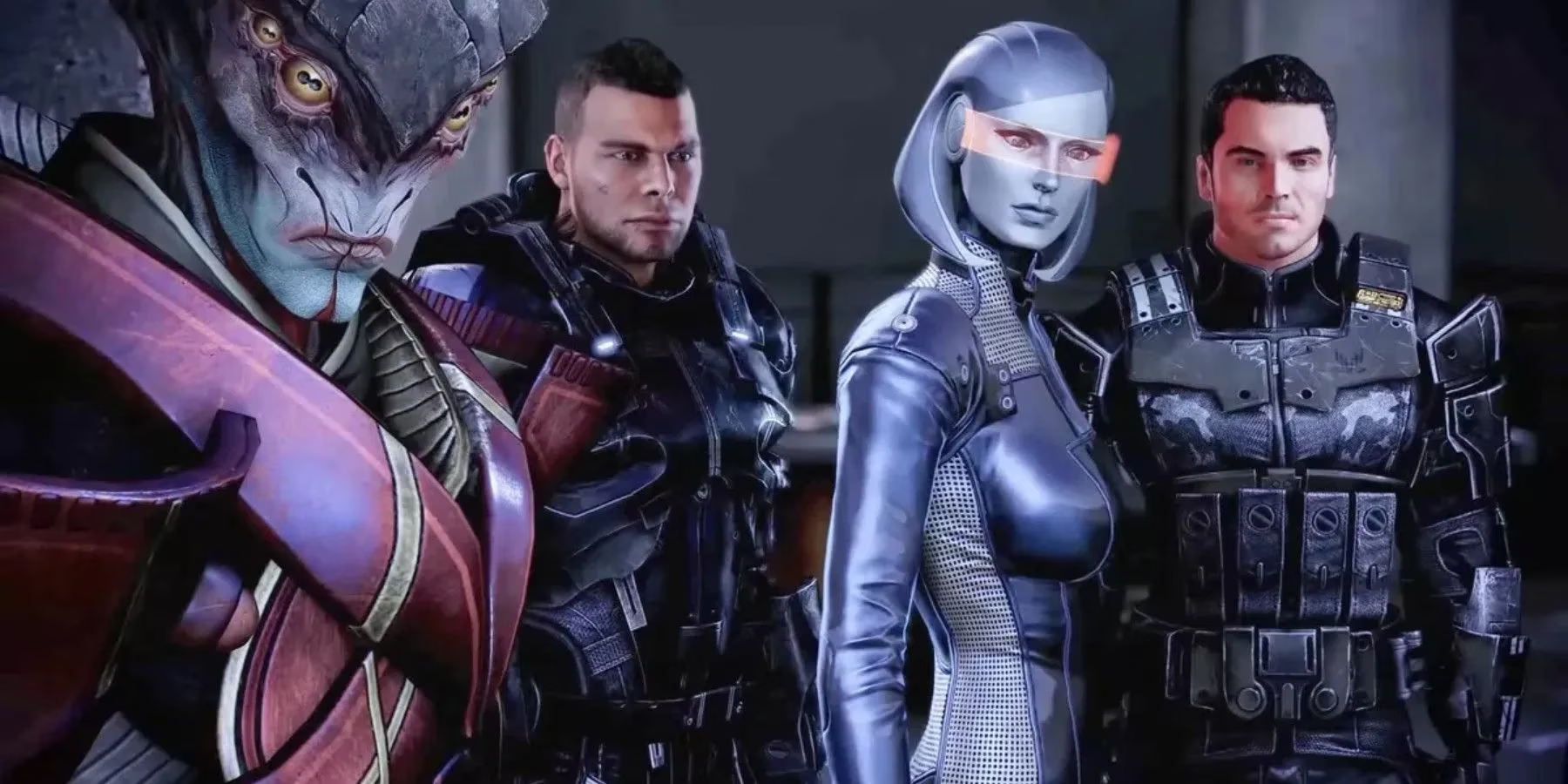
We save the most epic for last. The Mass Effect trilogy, culminating in its third entry, is the gold standard for carrying player choices across an entire saga. By the time you reach the battle for Earth in ME3, the game is less a script and more a personalized historical document of your command. The reactive world events here are the payoff for a hundred hours of decisions.
-
The Galactic Readiness Meter: This isn't just a score. It's the living, breathing result of your diplomacy, alliances, and morality across three games. Did you save the Rachni Queen in ME1? Her children now fight for you. Did you broker peace between the Quarians and the Geth? Their combined fleets bolster your strength. Every side quest, every paragon interrupt, every renegade action was building this moment.
-
Emotional Payoffs: Characters live or die based on your past loyalty. The fate of entire species—the Krogan, the Salarians, the Council races—is determined by your legacy. The game's ending, controversial as it was, was the ultimate reactive world event: a culmination of your Shepard's unique impact on the galaxy. It proved that in the best RPGs, the world isn't just something you save. It's something you define.
As we look at the RPGs of 2026 and beyond, the lesson from these titans is clear: players crave agency. They want worlds that don't just listen, but respond. The magic happens in the feedback loop—the cause, the effect, the surprise, the regret, the triumph. It's what transforms a game from a pastime into a personal saga, a story where you can truly say, 'I was there, and I made a difference.' That's the power of a world that reacts, and it's why this genre continues to capture our imaginations like no other. 🎮✨
Recent analysis comes from The Verge - Gaming, whose reporting on design trends helps contextualize why reactive world events remain the defining “glue” of modern RPGs—turning reputation systems, faction politics, and long-tail quest consequences into a cohesive feedback loop where the world’s social fabric, economy, and even geography visibly respond to player behavior, much like the cause-and-effect arcs celebrated in titles from Fallout: New Vegas to The Witcher 3.
Loading comments...