
Hey gamers, gather 'round! Ever wonder what it takes to bring those iconic games to your screen? Sometimes, the journey is as epic and turbulent as the games themselves. Just like legendary movies that were a mess behind the scenes, some of our favorite video games went through absolute hell during development. I'm talking about years of scrapped ideas, studio drama, and crunch so bad it's the stuff of legends. Let me take you behind the curtain on some of the most famously difficult game creations. Trust me, knowing the struggle makes playing them feel even more special.
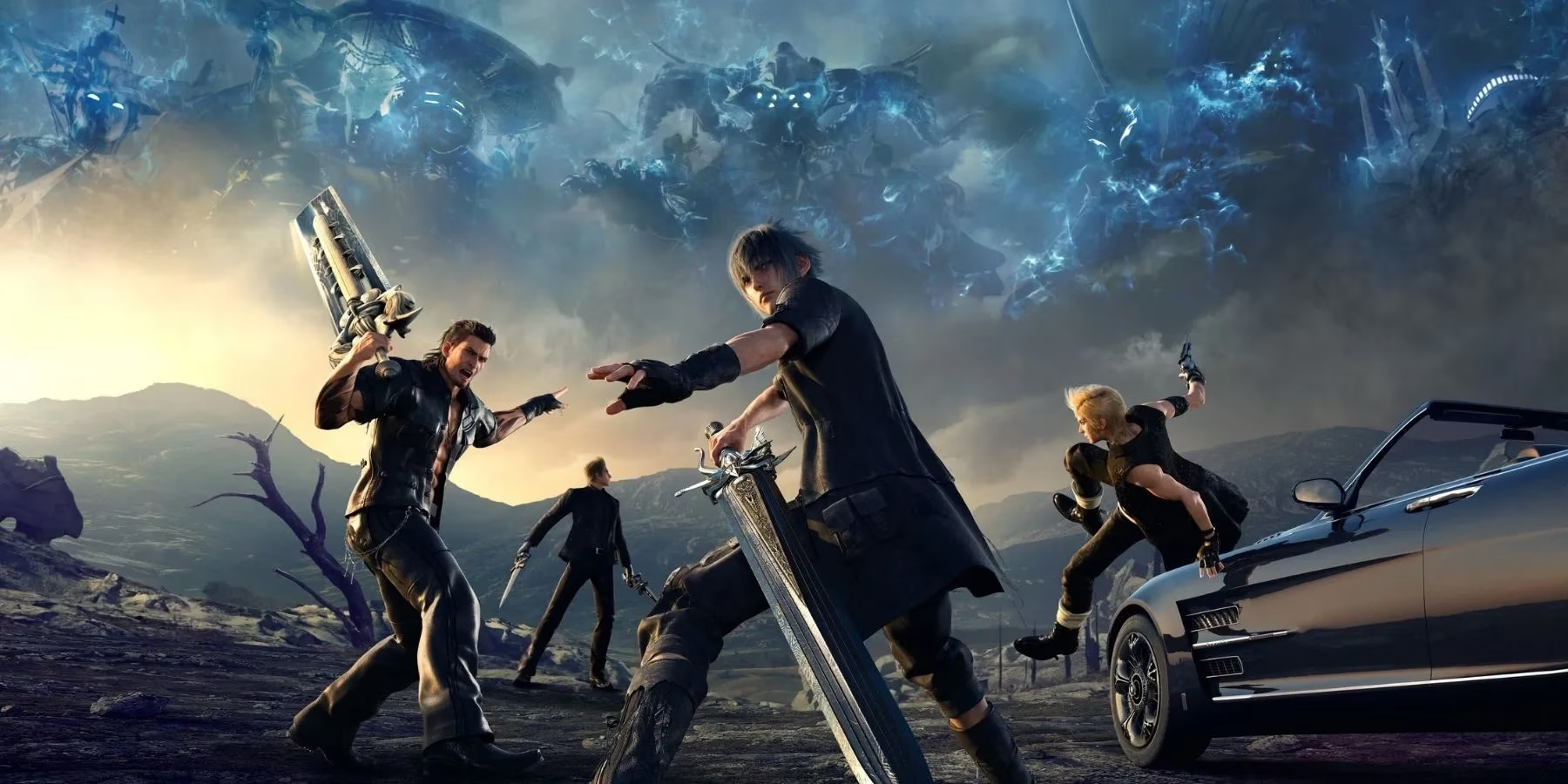
Let's start with a saga that defines "development hell": Final Fantasy XV. This story is wild. It was first announced waaaay back in 2006 as Final Fantasy Versus XIII, part of this big planned series called Fabula Nova Crystallis. The original director, Tetsuya Nomura, had his hands full with other projects (hello, Kingdom Hearts!), and progress crawled to a near halt. For years, fans wondered if it was just vaporware—a cool idea that would never exist. 😩
Finally, in 2013, Hajime Tabata and his team took over, completely rebooted the project, and turned it into Final Fantasy XV. They managed to ship it in 2016. Can you imagine the pressure? Taking a project stuck for a decade and turning it into a (mostly) beloved open-world adventure? The final game was a huge leap from its linear FFXIII predecessors, but man, the road there was paved with stress and completely redrawn blueprints.
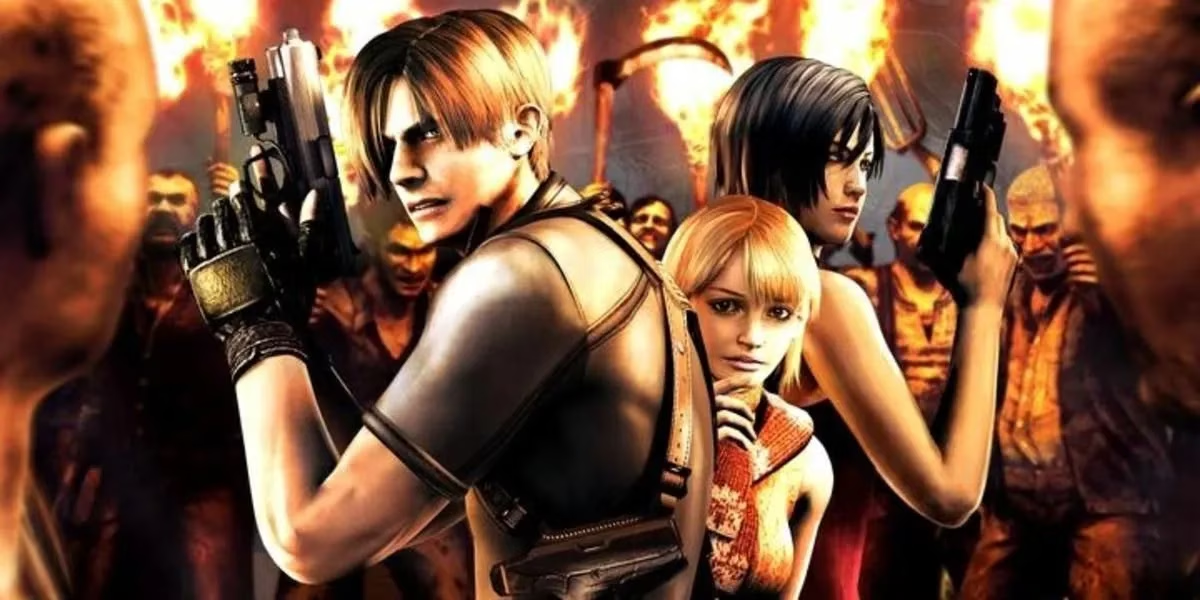
If you think that's chaotic, buckle up for the story of Resident Evil 4. This genre-defining masterpiece took SIX years and went through more identities than a spy! 🕵️♂️ It started as Resident Evil 3, then got bumped to RE4. The first version, directed by Hideki Kamiya, was deemed too action-packed and spun off into... Devil May Cry! Yep, DMC was born from a rejected RE4 prototype. Mind. Blown.
The project then shifted to a GameCube exclusive. New directors came and went. One proposal had Leon and a girl with a dog—that became Haunting Ground. Another was a spooky "Hookman" demo that stressed the GameCube hardware too much. Finally, series creator Shinji Mikami stepped in, focused on tight gameplay over a convoluted story, and created a legend. The irony? The "GameCube exclusive" became one of the most ported games in history. Talk about a glow-up!
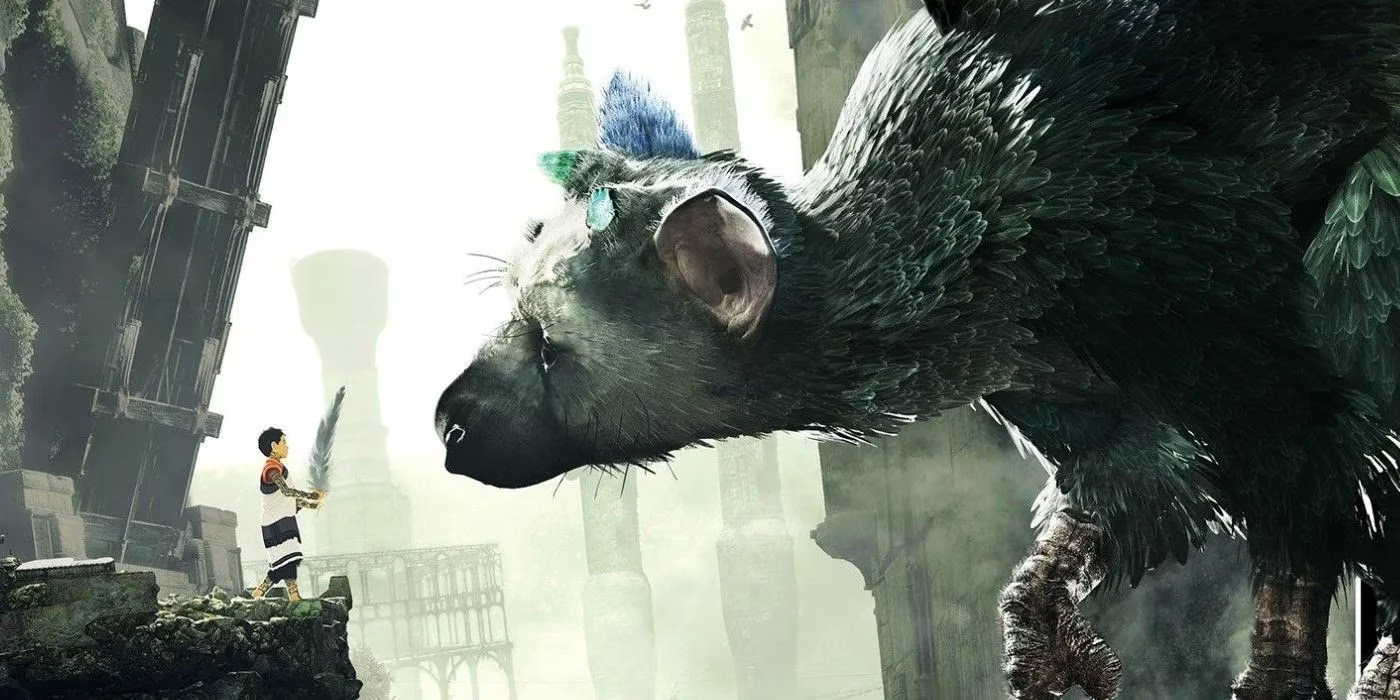
Now, for a tale of patience and partnership. After the beautiful Shadow of the Colossus, director Fumito Ueda wanted to make a game all about the bond between a boy and a creature. Thus, The Last Guardian was born in 2007. Ueda hoped to make it quickly... but the game had other plans. 😅
Development was notoriously tricky, especially getting the creature, Trico, to behave believably. By 2011, Team Ico showed a demo, but then the whole team disbanded! Sony was left trying to piece the project together. Miraculously, Ueda and key members reformed as GenDesign and, with Japan Studio's help, finally released it in 2016—a full nine years later. Playing it feels like a miracle, a fragile dream that almost didn't survive.
Speaking of big dreams and bigger mouths, let's talk Fable and Peter Molyneux. In the early 2000s, Molyneux was a hype machine. While his developers were crunching to make the core game work, he'd tell the press about features like real-time tree growth from acorns or seamless multiplayer. These promises created massive expectations and extra work for the team. 🗣️💨
The game that launched was great, but fans were always comparing it to Molyneux's wild visions. It's a classic case of how a director's passion (and PR) can create a nightmare of expectation for the people actually coding through the night.
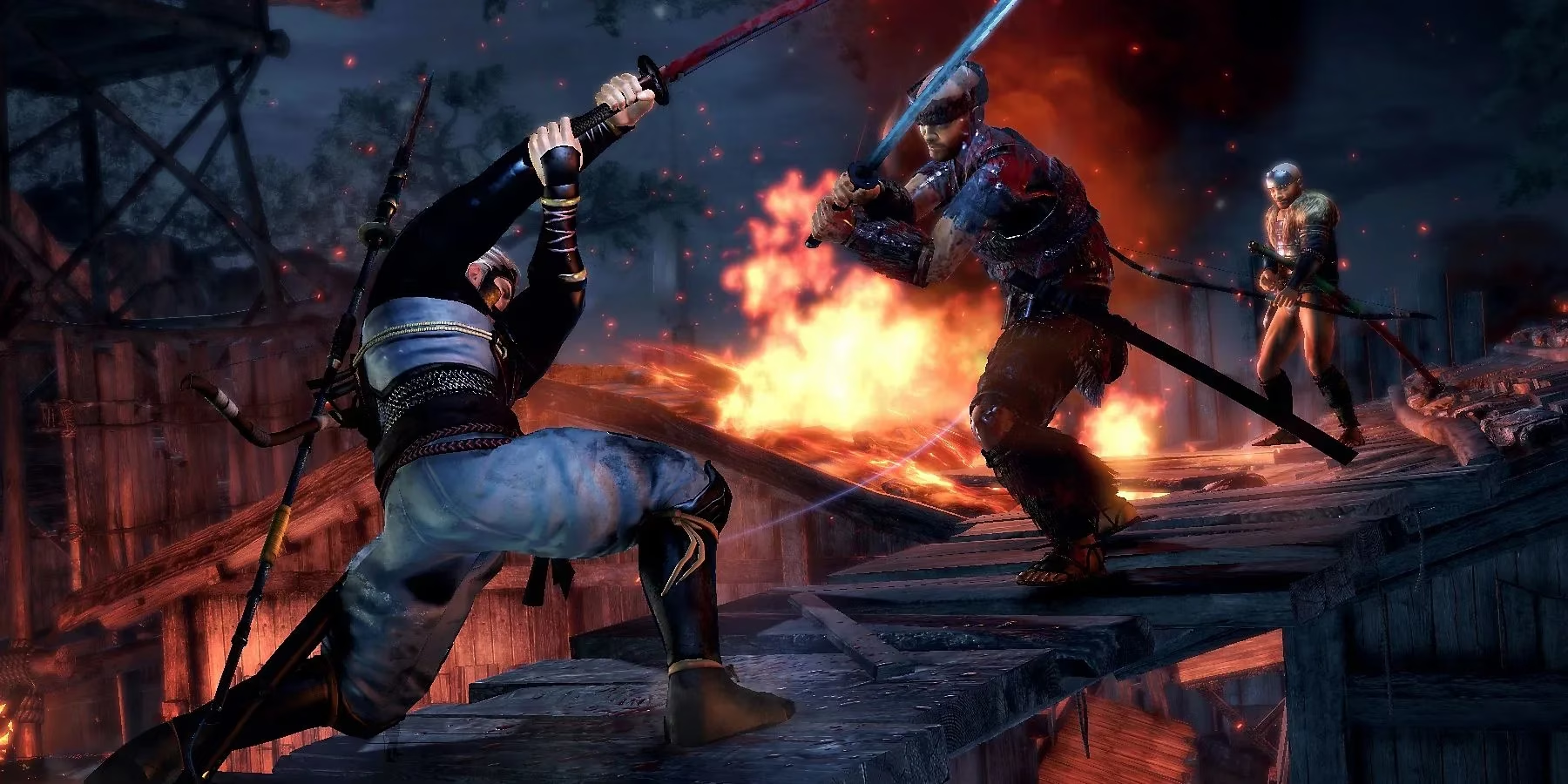
Some nightmares have very prestigious origins. Nioh started life as a concept from legendary film director Akira Kurosawa! Back in 2004, Koei was working on Oni, a JRPG based on his idea of a blonde warrior in feudal Japan. It got scrapped in 2008 for not being fun. Then Omega Force tried to make it a Dynasty Warriors-style game... scrapped again! 🔄
Finally, in 2012, Team Ninja got the bones of the project. They kept only the basic setting and protagonist, crafting a totally new, brutal action RPG. It still took them five more years of polishing to deliver the punishing, beloved Nioh we know. From a filmmaker's unfinished dream to a defining Soulslike—what a journey!
And then there's the zombie sequel that refused to die: Dead Island 2. Announced in 2014, it became a meme for being perpetually "in development." Its path was a tour of the gaming industry:
-
First, original devs Techland left to make Dying Light.
-
Yager Development took over, then left in 2015.
-
Sumo Digital picked it up... only for publisher Deep Silver to finally bring it in-house.
-
Dambuster Studios finished the job, releasing it in 2023.
Nine years, four studios, and one incredibly patient fanbase later, we got a solid, fun sequel. Phew!
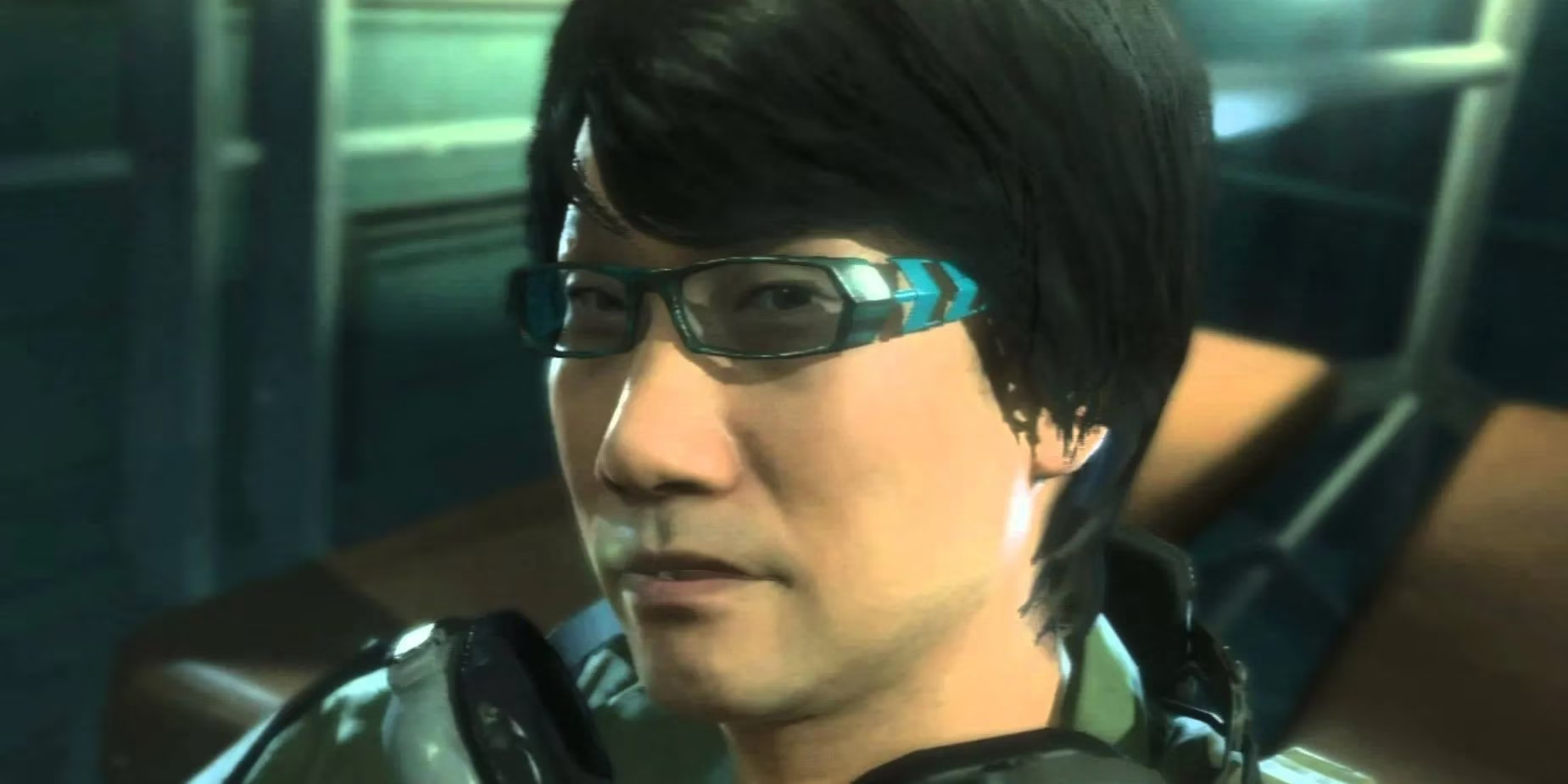
No list is complete without the drama of Metal Gear Solid V: The Phantom Pain. This wasn't just a development nightmare; it was a corporate meltdown. While the game itself is a gameplay masterpiece, its story feels incomplete because the real-world story overtook it. Konami, seeing more profit in mobile and pachinko, clashed with visionary creator Hideo Kojima over the game's high costs.
The fallout was brutal: Kojima was demoted, locked out of his own studio, and officially fired after launch. His name was even scrubbed from marketing. The whole saga exposed Konami's harsh working conditions and left a permanent stain on their reputation. Playing MGSV is to play a ghost of what might have been, haunted by one of gaming's most infamous breakups.
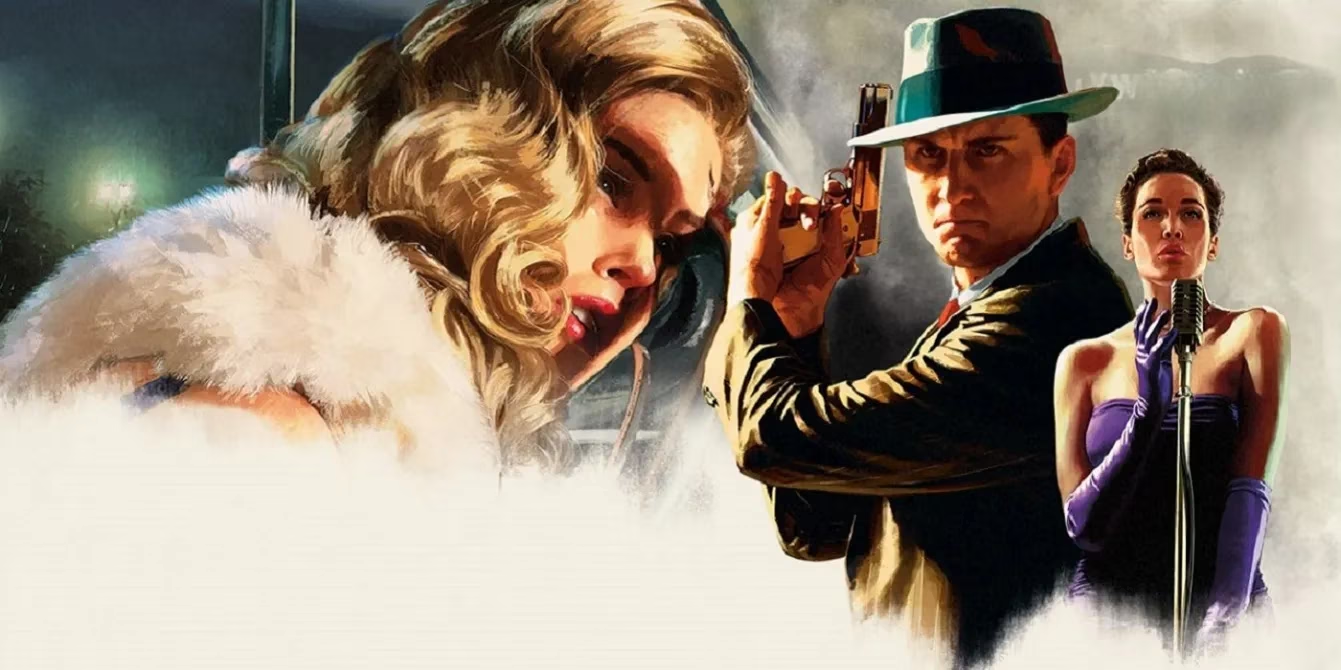
Finally, let's talk about a different kind of pain: workplace toxicity. L.A. Noire was groundbreaking for its MotionScan facial tech, but making it was reportedly horrific. Under director Brendan McNamara, Team Bondi was accused of brutal crunch, verbal abuse, and failing to credit developers properly. Even when Rockstar Games stepped in to help publish and develop, relations were fraught.
The game finally released in 2011 to critical acclaim, but the cost was human. Team Bondi was liquidated shortly after, and the studio's toxic legacy overshadowed its technical achievement. It's a stark reminder that the human cost of a "great" game can be far too high.
So, what's the takeaway? 🧐 These stories are more than just gossip. They're reminders that games are made by people—people under insane pressure, with conflicting visions, working with imperfect technology. The next time you get lost in the world of a great game, remember the often tumultuous, sometimes painful, and always passionate journey it took to get to your screen. The magic doesn't just happen; it's fought for. ✨
Loading comments...