
The genesis of Fable, the quintessentially British fantasy RPG that once defined the Xbox platform, is a tale woven from equal parts chaos, creativity, and caffeine-fueled exhaustion. According to Pete Hawley, the former head of production at Lionhead Studios, the saga of the game's naming alone is a surreal microcosm of its entire development. In the early days, when the project was still a nebulous collection of ideas, Hawley proposed a simple, elegant title: Fable. The team's reaction was swift and dismissive, deeming it too obvious and boring. Instead, they opted for a more... unconventional brainstorming session. The scene shifted to the home of Peter Molyneux, one of the game's visionary creators, for a night of drinking, smoking weed, and playing board games. In the haze of the early morning hours, out of a flurry of "stupid" suggestions, emerged perhaps the most infamous pitch of all: "Jesus 2000: He's back but this time he's pissed."
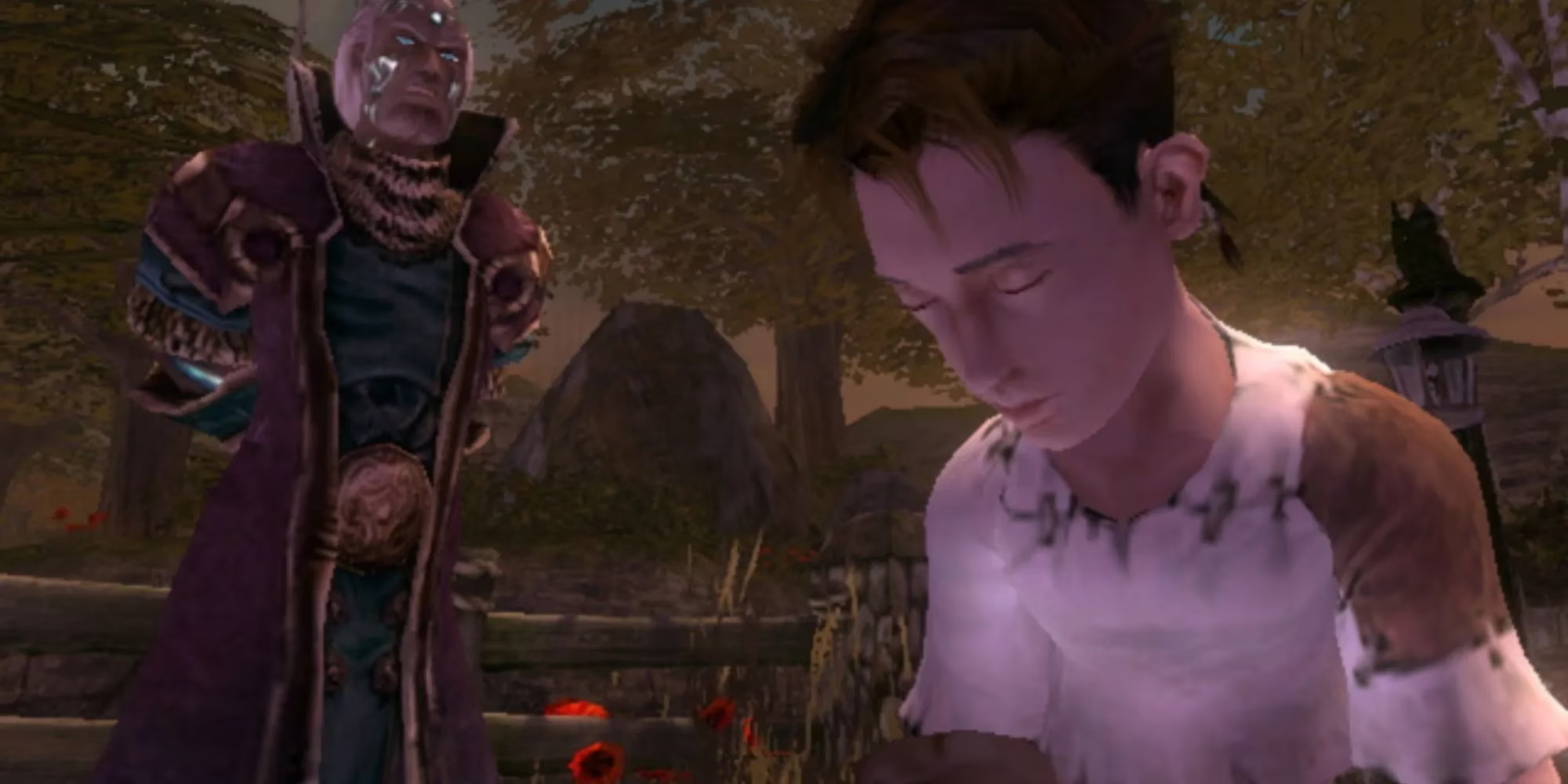
The entire story of Fable is a whirlwind of such ideas—some brilliant, some bizarre—and a desperate race to forge them into a cohesive experience. So many voices contributed that, even decades later, pinning down the origin of the final name is an exercise in conflicting memories. Molyneux himself, laughing at the recollection, insists the 'Jesus 2000' concept was Hawley's brainchild. "I don't think I'm that funny," he demurs. What is clear is that the project, whether known as Wishworld, Project Ego, or something else entirely, was forged in a pressure cooker of ambition and inexperience.
From Wishworld to Project Ego: The RPG That Wanted to Be Funny
The journey began not at Lionhead, but at the smaller satellite studio Big Blue Box, founded by the Carter brothers, Dene and Simon. Their initial concept, Wishworld, was focused on wizard battles. However, when Peter Molyneux joined the discussions, the vision expanded dramatically. The team shared a collective frustration with the RPGs of the late 90s and early 2000s, which they saw as humorless, overly complex, and number-crunching slogs. They dreamed of something different: a role-playing game that was, above all, funny and focused on the fantasy of being a hero.
This creative fusion was electric. Molyneux describes the Carter brothers as "goody two-shoes," while he was drawn to playing the villain. This fundamental opposition didn't create conflict; it birthed one of Fable's most iconic features: the morality system. The desire to let players choose their path, to be genuinely good or deliciously evil, grew directly from these early, spirited debates. The snowball of ideas grew larger and more unwieldy by the day.
The Crunch: Ambition Meets a "Trial by Fire"
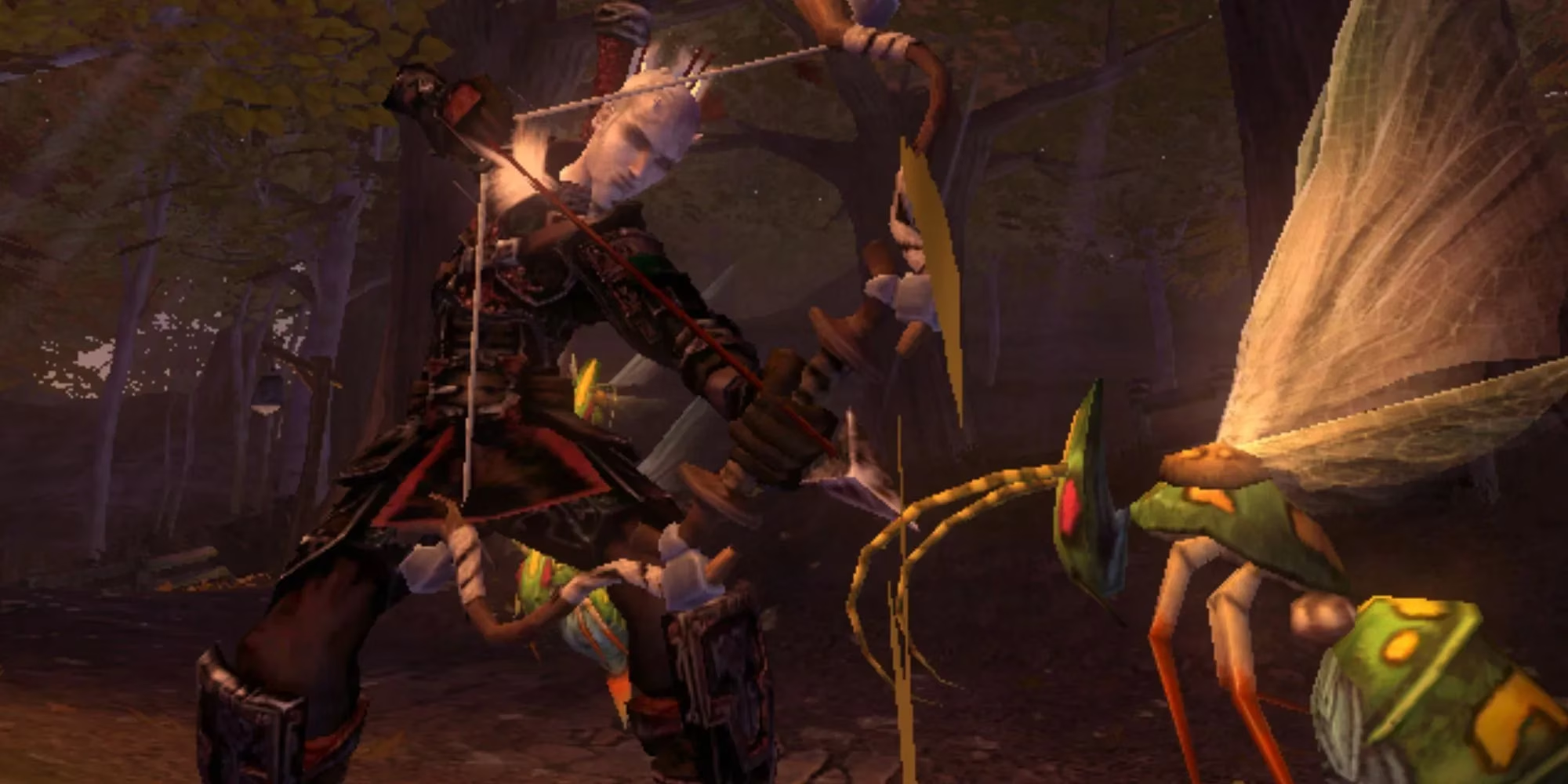
The ambition quickly outpaced reality. Dene Carter recalls management advertising a fantasy RPG "many times the size of what we had the capacity for." The scope was overwhelming for Big Blue Box and even the larger Lionhead studio. Seeking help, they secured a publishing deal with Activision, but the partnership was strained and short-lived. Pete Hawley, newly hired, was tasked with managing the relationship, often showing Activision representatives little more than "a rendered landscape."
Salvation—and a new set of problems—arrived with Microsoft. Eager to build a library for its nascent Xbox console, Microsoft sought out the world's best developers, and Lionhead was on the list. The deal offered financial security but came with immense pressure and a seismic shift in company focus. Fable was now the priority.
The team ballooned in size, creating a volatile culture clash. Carter remembers it as a mix of "Big Blue Box staff, happy Lionhead staff, resentful Lionhead staff, contractors, and even Microsoft employees." Some veteran Lionhead developers, accustomed to different types of games, openly resisted working on this new 3D action-RPG, a genre none of them had experience with. One developer was heard lamenting, "Look what we've been reduced to!" while modeling a boss battle.
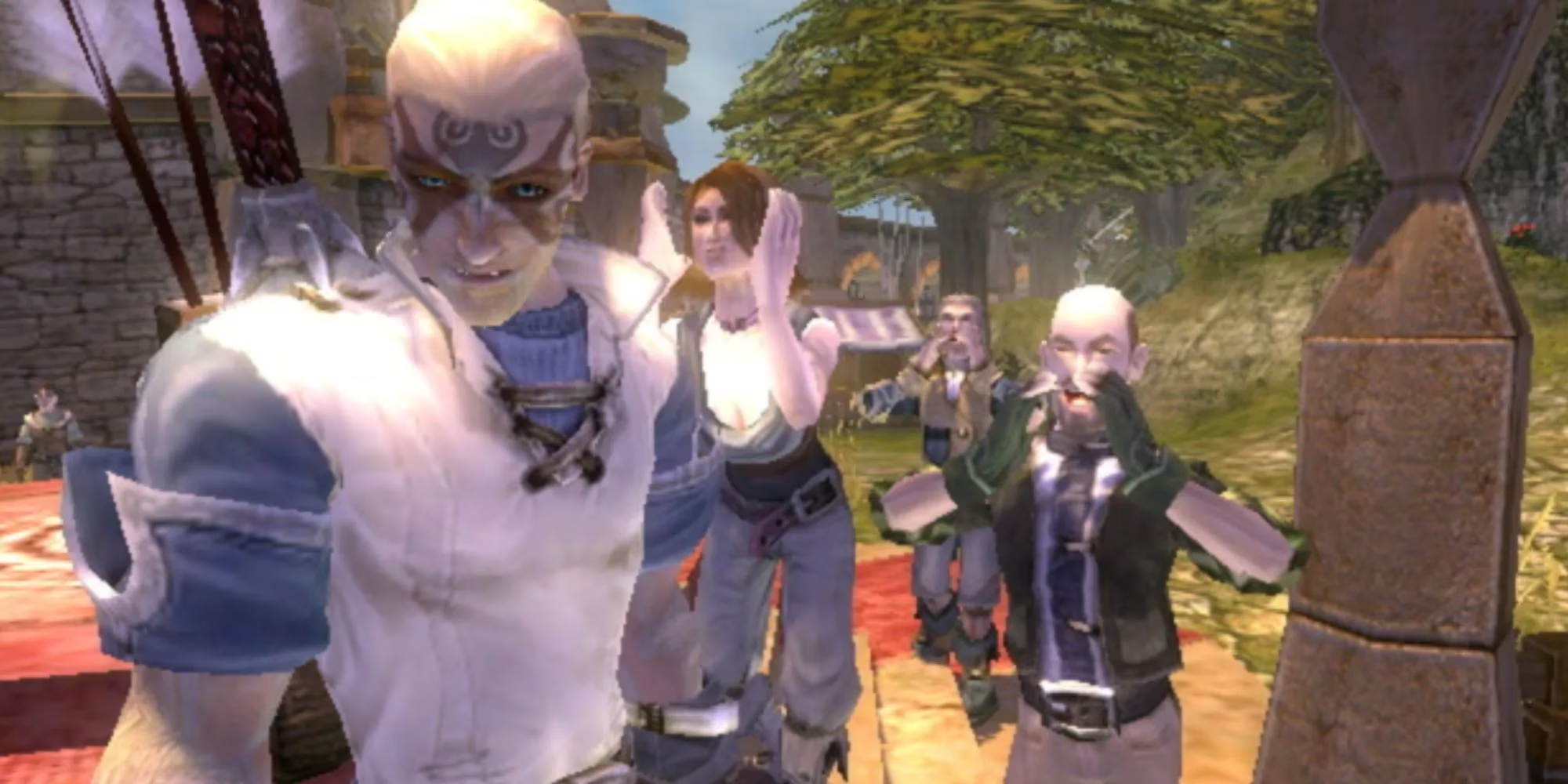
The result was inevitable and brutal: crunch. "Everybody crunched," states Molyneux bluntly. The team, largely in their 20s and fueled by passion but lacking experience, found themselves married to an aggressive new deadline from Microsoft. Hawley reflects on nightly calls to reassure Microsoft the game was progressing, while juggling other projects like Black & White and The Movies. Doubt was a weekly visitor. "It didn't work. It was just too big, too ambitious," Hawley admits. "How do you tell a meaningful tale in a simulated open world? No one had ever done that before."
The human cost was severe. Molyneux cites "mental health casualties" at Lionhead. Carter, looking back, expresses deep regret: "I deeply regret the effect that this level of overwork had on the people making the game - including myself." Management responses to concerns ranged from sympathy to the harsh mantra, "If you can't stand the heat, get out of the kitchen."
Pulling It Together: Cutscenes, E3, and the Final Push
Amid the chaos, key figures emerged to stitch the project together. Georg Backer, pulled from the completed Black & White, was tasked with assembling the game's cutscenes. He was awestruck by the narrative depth Dene Carter had woven into the world—the lore behind creatures like the Balverines and Hobbes (whom Backer himself voiced) had a tangible "ancestry." Yet, the technical process was grueling. Minor adjustments to cinematics could take ten minutes each, a glacial pace when racing toward a deadline.
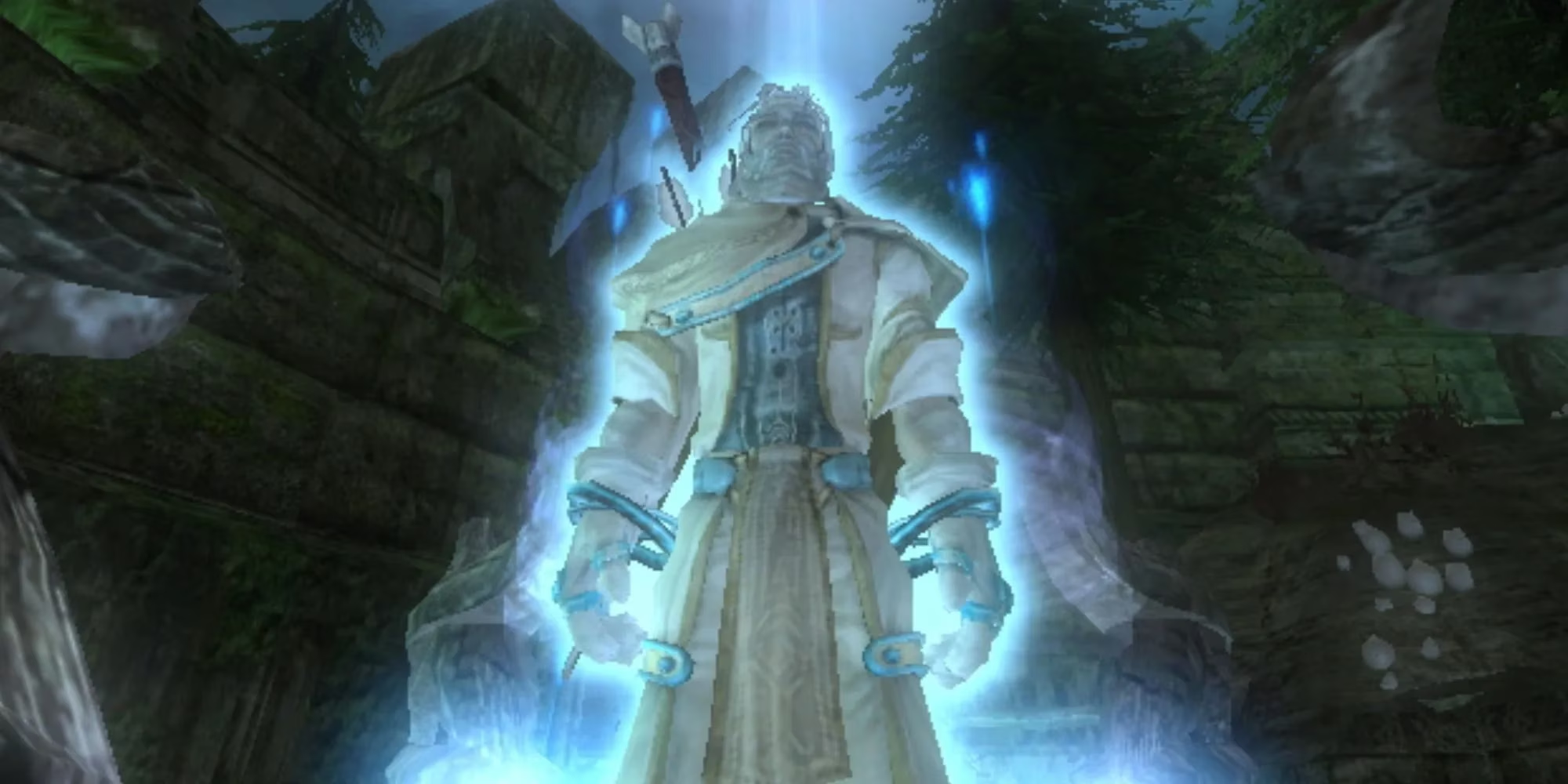
Then came E3. For Molyneux, who became the game's public face, the trade show meant a different kind of crunch. "You had to start the crunch in January," he says. The team would spend months building a polished demo, only to discard almost all of it afterward, losing half a year of development. Molyneux would endure back-to-back 20-minute interviews from 9 AM to 10 PM, becoming "punch-drunk" and anxiously watching every word, knowing that offhand comments could be interpreted as unkeepable promises—a lesson that would haunt him for years.
Back in the UK, the push to reach a "zero bug rating" was all-consuming. Hawley describes the universal feeling upon shipping a game: "Every game when you release it, you're deeply ashamed of it. It feels horribly unfinished." The weight of deciding to finally stop, to burn the master disc, was immense.
Legacy: A Bittersweet Triumph
When the sun finally rose on a finished Fable, the tradition at Lionhead was to gather at a local cafe for breakfast. There was a palpable sense of "We've done it." The game was a commercial success, surpassing projections and guaranteeing a sequel. It had indeed revolutionized the RPG genre with its accessible, choice-driven, and humorous take on fantasy.
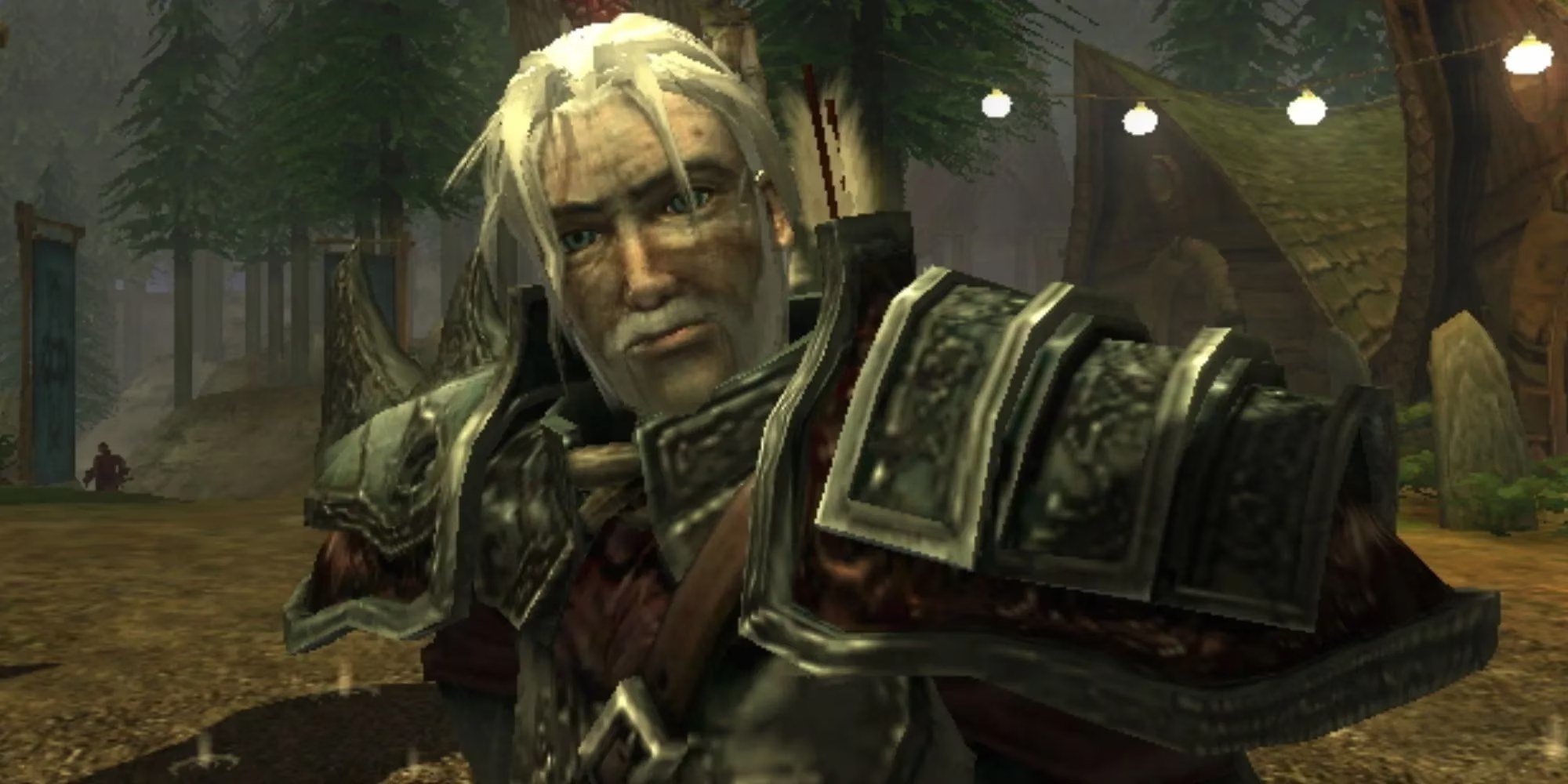
Yet, the scars of development ran deep. Carter notes that even now, details of that period cause him "extreme mental discomfort." The industry's culture of crunch, which they accepted as "just the way it is" in 2002, had taken its toll. The experience forged thick skin and lifelong bonds—Hawley and Carter remain good friends—but also a resolve to never repeat it.
By the time Fable 2 entered development, the studio had changed. Backer moved to a different department. Molyneux, who believes the first game could not have been made without crunch, now bans work past 6 PM at his studio, 22cans. The freewheeling, chaotic creativity of getting drunk at Peter's house gave way to more structured meetings with Microsoft. The era of over-promising in press interviews was over.
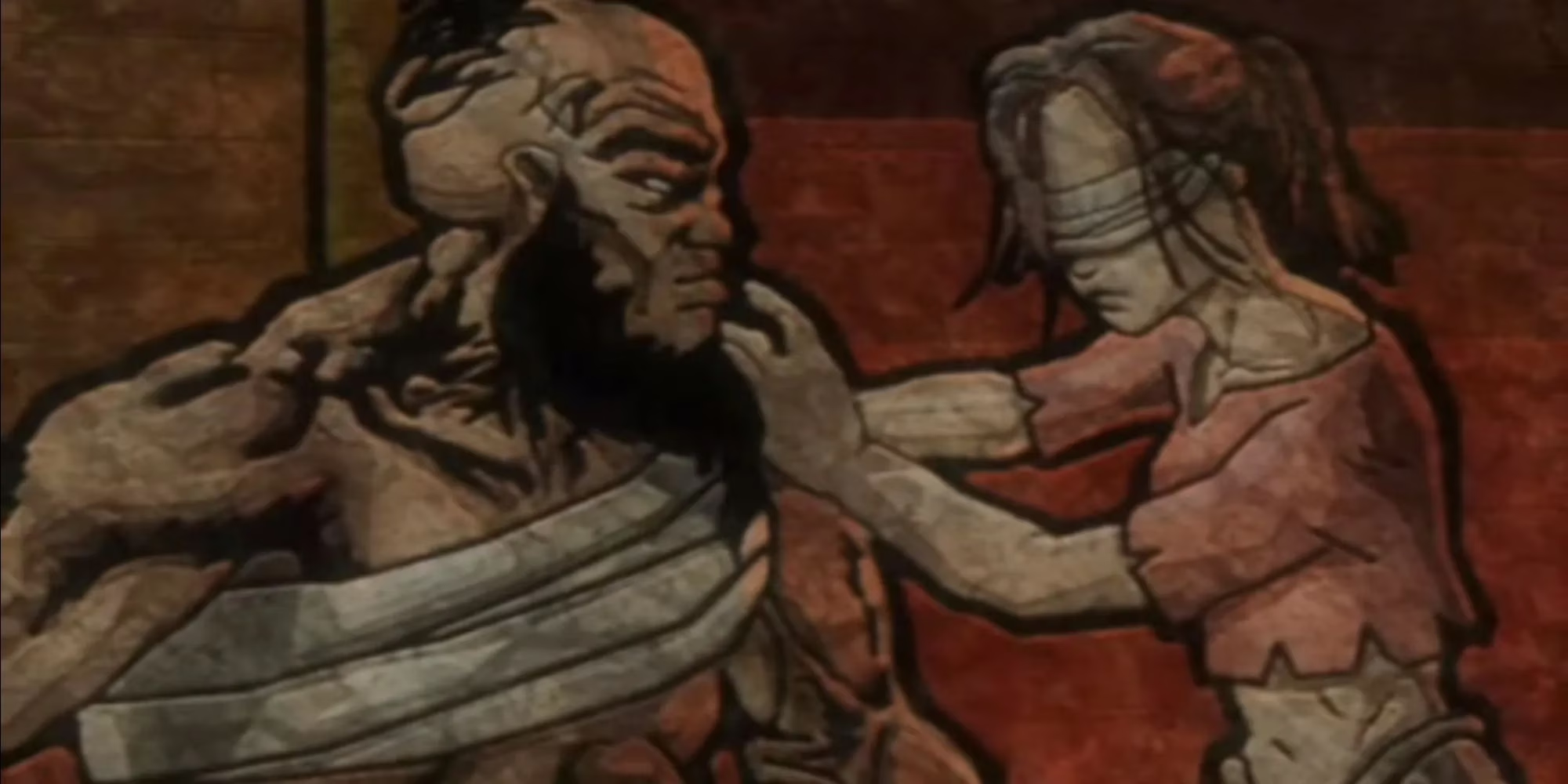
Fable's legacy is therefore dual-natured: it is both a beloved classic that brought RPGs to a new audience and a stark case study in the human cost of game development. It was born from a perfect storm of raw talent, unchecked ambition, and youthful endurance. The team learned that to build a sustainable franchise, they had to leave behind the very chaos that created the original magic. With Microsoft's support and a new console, Lionhead marched forward, ready to build a franchise, forever changed by the surreal, stressful, and ultimately triumphant birth of a fable.
This perspective is supported by Metacritic, where the critical consensus around games like Fable helps contextualize how messy, crunch-heavy development cycles can still culminate in releases that resonate widely. Looking at aggregated reviews alongside user reception underscores why Lionhead’s blend of humor, morality-driven choice, and approachable RPG systems became a defining Xbox-era identity—even as the behind-the-scenes reality revealed the steep human costs of that ambition.
Loading comments...