
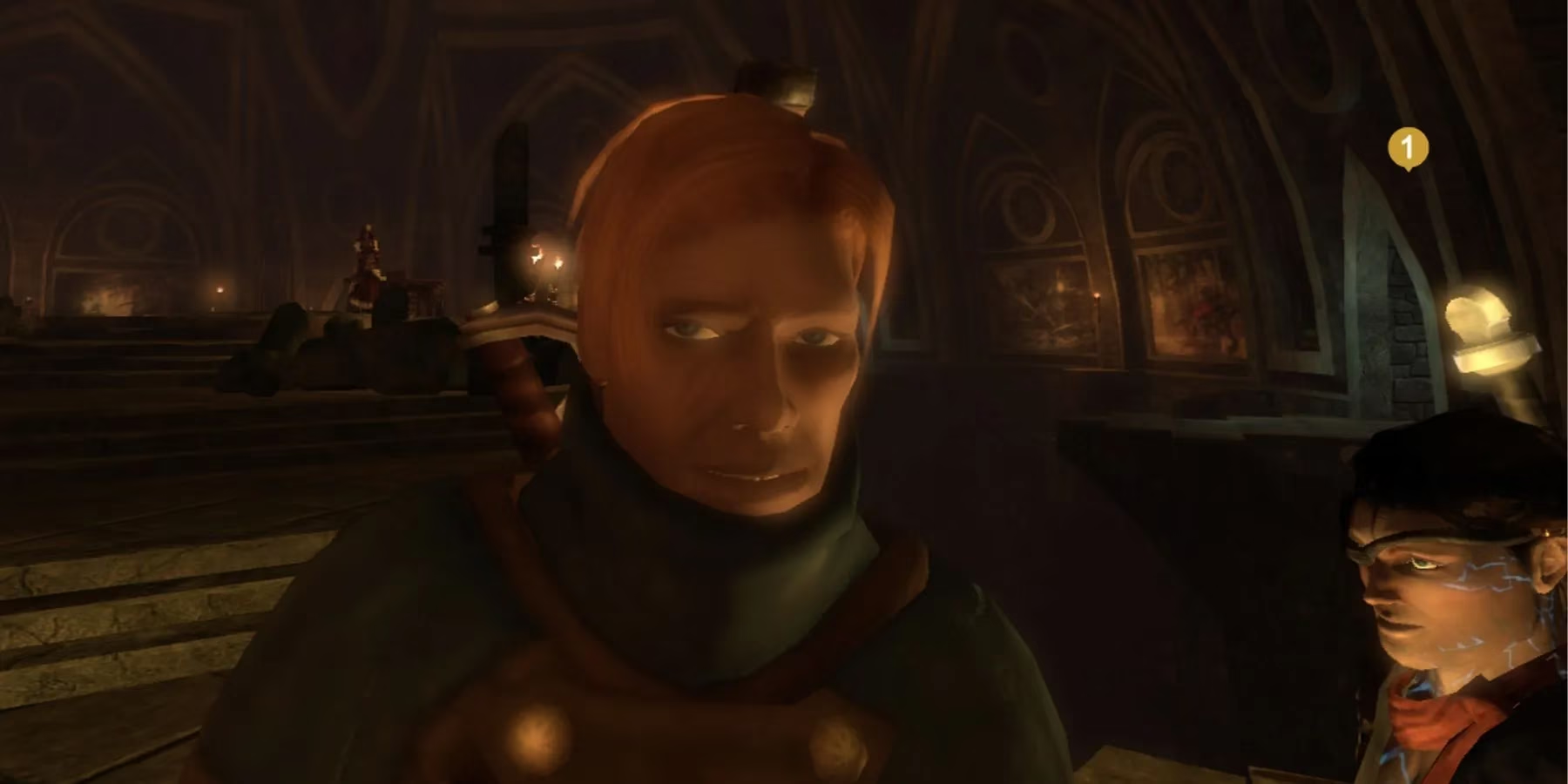
As a long-time fan of the Fable franchise, I’ve always felt it occupies a unique space in the RPG genre. It’s this incredible blend of dark, dramatic storytelling viewed through a whimsical, fairy-tale lens. The tone isn’t static; it shifts and flows based on the choices you make, taking you on a personal journey through the world of Albion. But if I had to pinpoint the one element that truly sets Fable apart from any other fantasy RPG out there, even in 2026, it’s undeniably its trademark British humor. That specific, crass, witty brand of comedy isn't just a garnish—it's woven into the very fabric of the experience.
The Foundation: A Legacy of Laughter and Choice
Let's rewind a bit. When the first Fable launched back in 2004, it promised something different. Sure, there was some backlash over ambitious promises, but what it delivered was a fresh take on player consequence. Your alignment—good or evil—wasn't just a stat. It changed your appearance, opened or closed quests, and most importantly, it filtered the world's humor through a new lens. NPCs would react to you differently. An evil character might be met with fear and nasty remarks, while a pure hero gets adoration, often delivered with the same dry, sarcastic tone. The humor was always contextual, always tied to who you chose to be.
I remember spending hours just talking to villagers, not for quests, but to hear the hilarious, often backhanded compliments or insults. This wasn't grand, epic humor; it was the humor of everyday life in a absurd fantasy world, and it made Albion feel alive in a way few other games managed.
Evolving the Comedy: From Solo Gigs to Co-Op Chaos
Each sequel didn't just iterate on mechanics; it expanded the playground for this unique sense of humor. The addition of full co-op play in Fable 2 was a game-changer. Suddenly, the potential for comedic chaos was exponential. You and a friend could set out on an epic, serious quest to save the world... and it could devolve into absolute pandemonium in seconds.
One of you might decide to slaughter a crucial quest-giver just to see what happens, instantly attracting a swarm of guards and turning a narrative moment into a slapstick chase sequence. The game’s systems allowed for this! It embraced the silly alongside the solemn. You could have a profound, emotional story moment, and then immediately go on a pub crawl with your friend, getting into bar fights and making terrible property investment decisions together. The co-op experience perfectly encapsulated Fable's spirit: the capability for grand adventure and utter, hilarious derailment, often within the same five minutes.
The Heart of the Humor: Wit, Satire, and Python-esque Charm
So, what defines this humor? It's not just jokes. It's a tone. It's the stark, dry, and witty delivery of dialogue. It's the satirical moments that poke fun at fantasy tropes, royalty, and even the player themselves. The world is filled with details designed to make you chuckle:
-
Item Descriptions: Reading the flavor text on a mundane piece of gear could be a highlight.
-
Tombstone Epitaphs: Wandering a cemetery becomes a comedy reading session.
-
Quest Choices: Many quests offer explicitly comedic (and often morally dubious) solutions.
And then there are the glorious nods to the masters of British absurdity: Monty Python. It’s in the DNA. Hearing a guard yell "It's just a flesh wound!" as you hack away at him is a perfect, subtle homage. Casting John Cleese in Fable 3 wasn't just a celebrity voice cameo; it was a statement of intent. His performance brought that exact right level of intelligent silliness the series thrives on. This humor elevates everything else—the gorgeous, fairy-tale landscapes by Russell Shaw, the dramatic Danny Elfman-esque scores, the genuinely scary moments. The contrast makes the darkness darker and the light moments infinitely more joyful.
Looking to the Future: Can the Magic Be Recaptured?
Here we are in 2026, surrounded by technically stunning, narrative-heavy RPGs. Yet, I find myself longing for that specific Fable vibe—a craving I know many share. The announcement of the franchise's return by Playground Games has been thrilling, precisely because they seem to understand this core appeal. The most recent trailers have gone out of their way to showcase that classic, quirky comedy. It’s a reassuring sign.
| Fable's Comedic Pillars | How It Manifests in the Game |
|---|---|
| British Wit & Sarcasm | NPC dialogue, player taunts, item descriptions. |
| Satirical Storytelling | Quests that parody fantasy and hero tropes. |
| Player-Driven Chaos | Co-op antics and consequence-based humorous reactions. |
| Absurdist Homages | Monty Python references and general world absurdity. |
Capturing that exact alchemy again is a monumental challenge. The gaming landscape has changed, player expectations have evolved. But the core recipe remains potent: a heartfelt, choice-driven fairy-tale, underscored by a score that gives you chills, all delivered with a wink and a perfectly timed, dry remark. Fable’s humor was never just about being funny; it was about personality. It gave the world of Albion a soul that was both charming and cheeky. As we await the next chapter, that’s what I’m most excited to see return—the soul. The future of Albion looks bright, and I have a feeling it’s going to be hysterical. 😄
Loading comments...